
Earth Day Eco-Friendly Home Decor DIYs are a fun way to bring nature into your home while using materials that already exist. I started trying a few small projects last spring and loved how recycled textures and plants instantly warmed up corners of our living room and kitchen.
These Earth Day Eco-Friendly Home Decor DIYs work well in sunny windowsills, small balconies, and cozy nooks.
They lean on reclaimed wood, natural fibers, upcycled glass, and houseplants, so each piece feels personal and calm—perfect for a relaxed, lived-in look.
Upcycled wooden planters for sunny windowsills
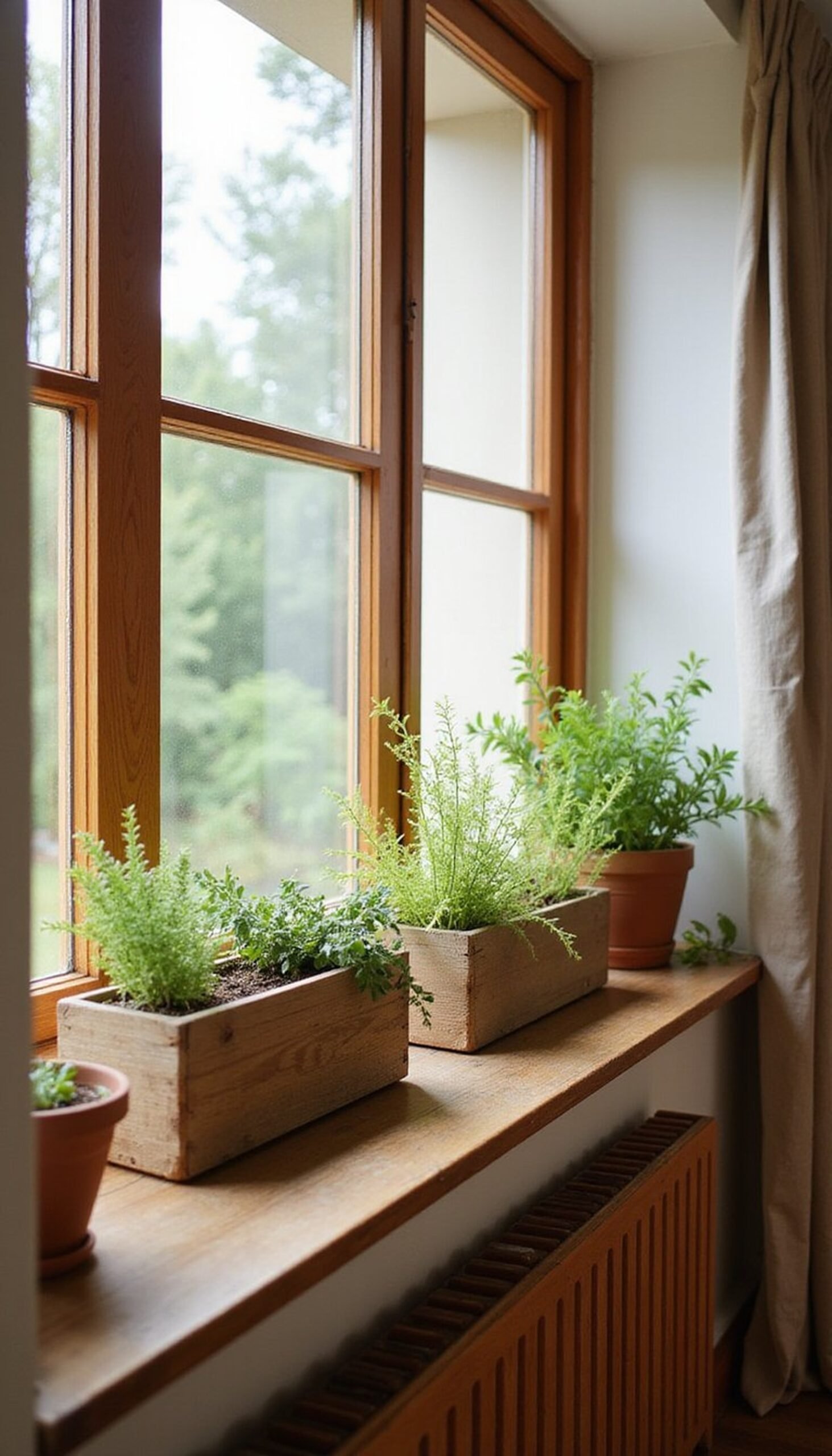
Turn leftover planks into low-profile planters that bring wood grain and green life to a window seat. Sanded reclaimed wood with a light beeswax finish pairs beautifully with terracotta pots or recycled ceramic cups. Fill them with succulents, small herbs, or a trailing pothos for texture contrast between the rough grain and glossy foliage. The palette is warm neutrals—honeyed wood, soft terracotta, muted greens—and a bit of jute ribbon for a rustic touch. I swapped my plastic pots for these and the sill finally feels like part of the room.
Styling Tips
- Vary pot heights to create a layered look.
- Place a small mirror behind to reflect light and plants.
- Add a thin tray underneath to catch water and protect wood.
Colorful mason jar herb garden? Yes, really.
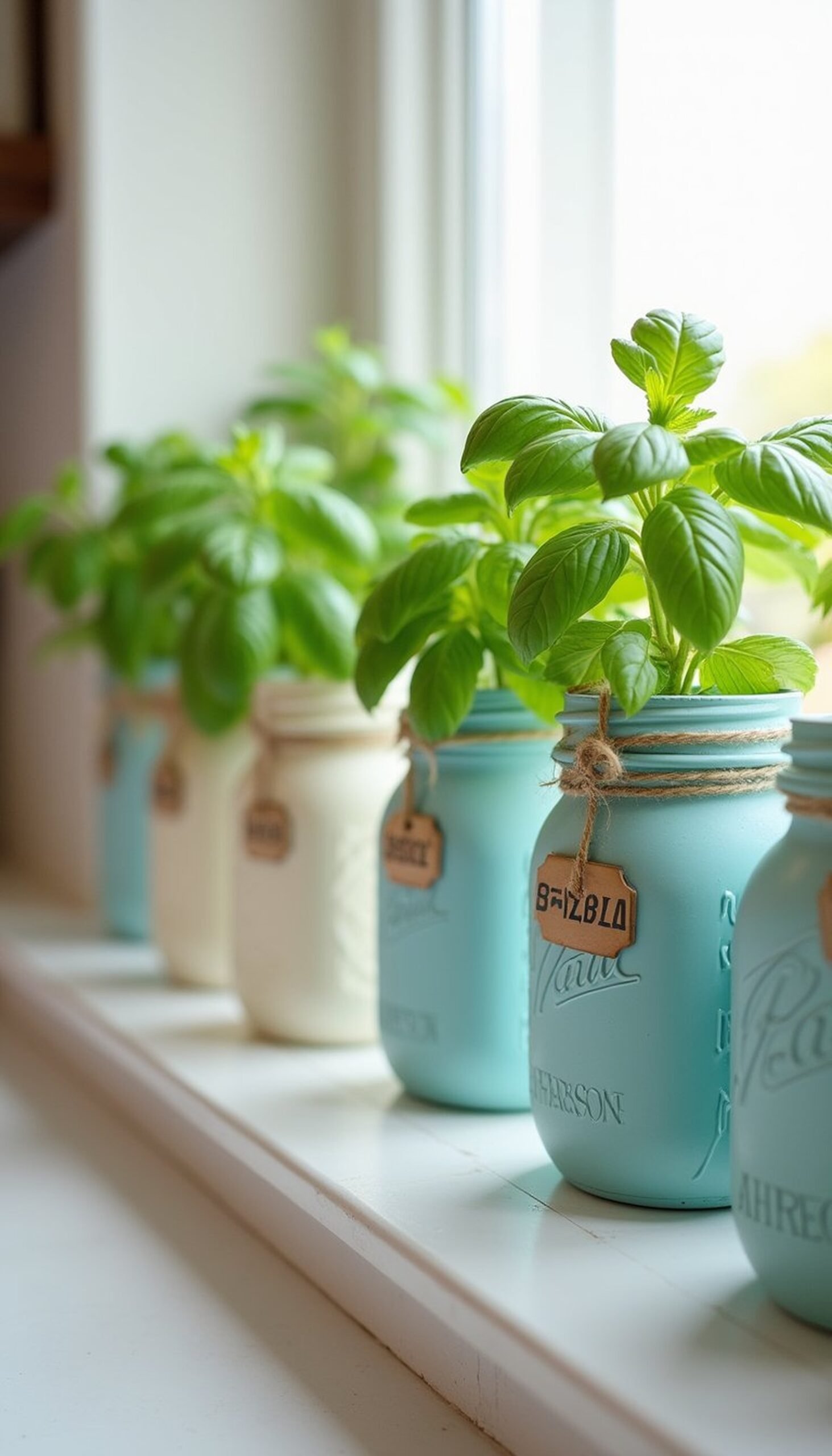
Mason jars get a second life as a bright indoor herb row along the kitchen ledge. Paint bands of muted chalk paint or wrap jars in twine and label each with a handwritten kraft tag. Fill with potting mix and plant basil, mint, or chives for a fragrant, useful display. Glass reflects light and contrasts with soft green leaves, while the palette leans toward pale blues, creamy whites, and herb greens. I love hearing the little scrape of a spoon on glass while tending this setup—it’s oddly soothing and practical.
Styling Tips
- Use small pebbles at the bottom for drainage.
- Group jars on a rustic wooden tray for easy moving.
- Switch paint colors seasonally for a fresh mood.
Natural beeswax candles with citrus peel
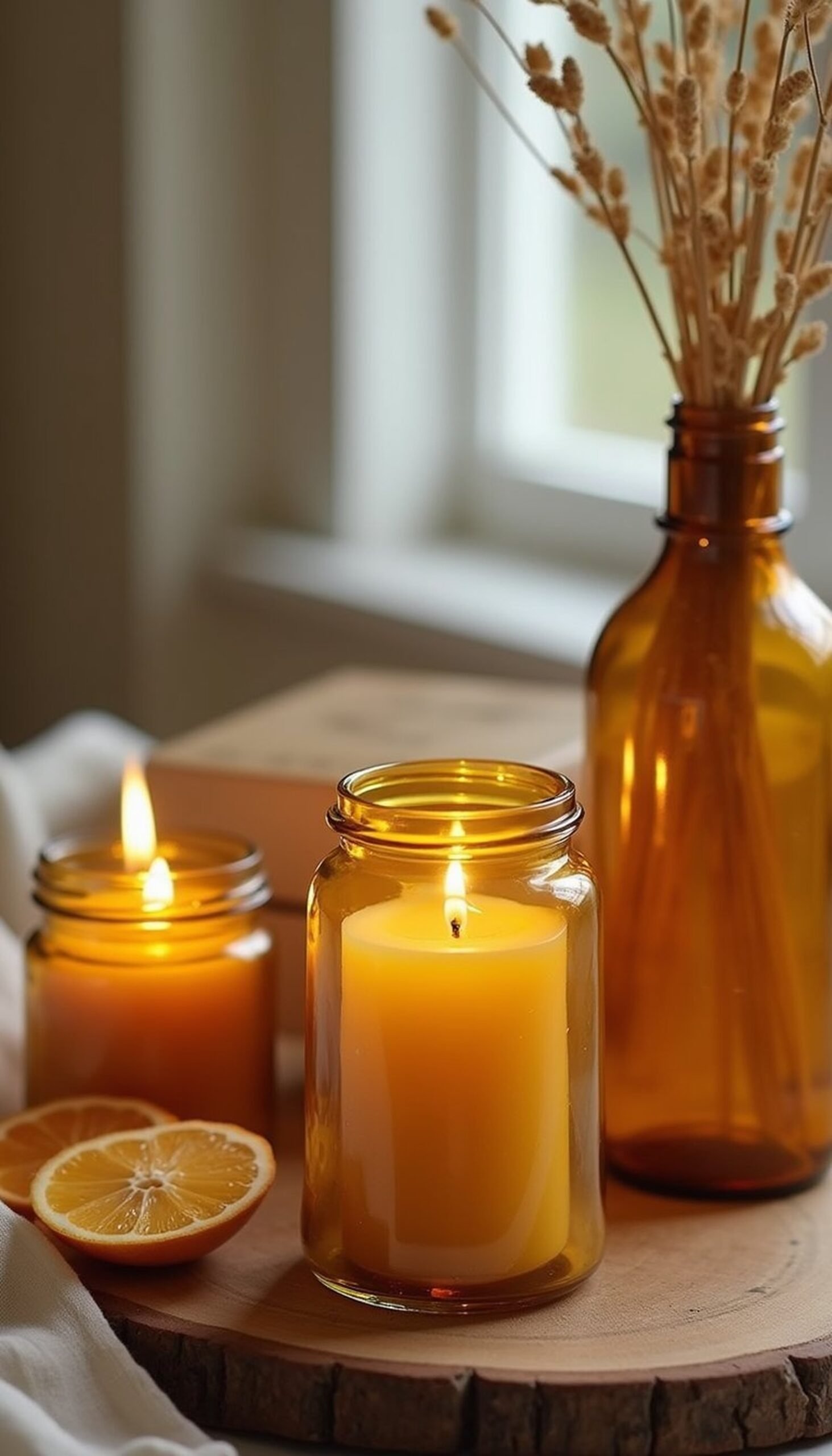
These candles bring scent and texture without plastic or synthetic fragrance. Use beeswax sheets or melted beeswax poured into repurposed glass jars, nestling a strip of dried citrus peel for a pop of color and subtle aroma. The warm honey tones of beeswax pair with amber glass and pale citrus orange for an earthy, sunlit palette. I like the tiny crackle sound when they burn and the honest, clean scent that fills a small dining nook. They feel understated and personal, a mellow accent for soft evenings.
Styling Tips
- Trim wicks to avoid soot and uneven burning.
- Group different heights on a wooden tray for interest.
- Add a small sprig of rosemary or thyme when cooling for extra scent.
Macramé plant hangers from recycled cotton rope
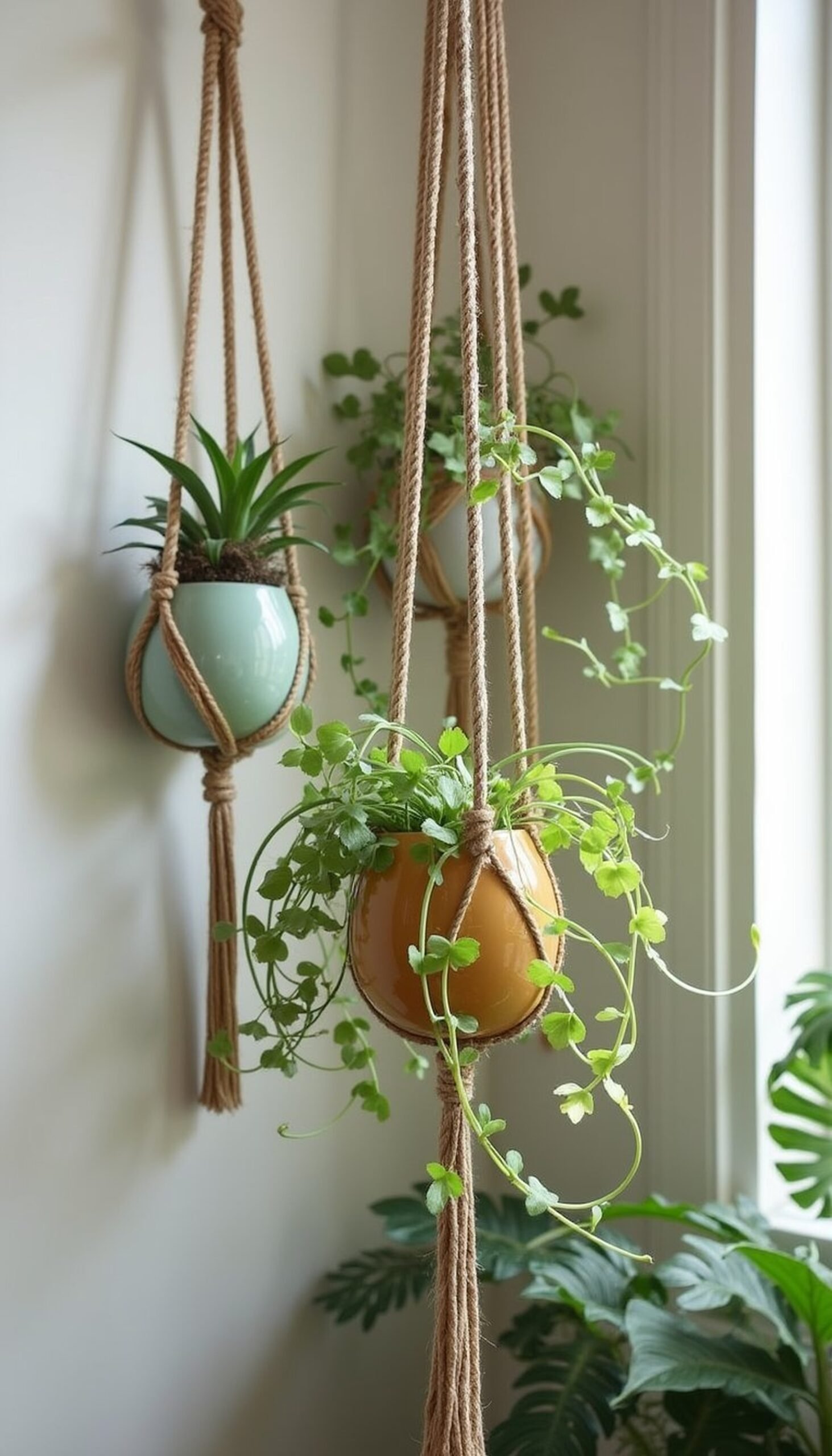
Hand-tied hangers made from recycled cotton rope bring soft texture and a bohemian air to any corner. Choose unbleached rope for a neutral, organic look or dye short lengths with natural plant dyes for gentle color. Combine with glazed ceramic pots in earthy tones like sage, ochre, or stone gray to keep the palette calm. The knotted texture contrasts nicely with glossy leaves and smooth pottery. I made a set to suspend above a reading chair and it instantly created a cozy, green canopy without taking floor space.
Styling Tips
- Install sturdy ceiling hooks into studs for safety.
- Mix pot shapes—round, oval, and tapered—for rhythm.
- Cluster hangers at different heights for visual movement.
Cork bulletin board for the home office
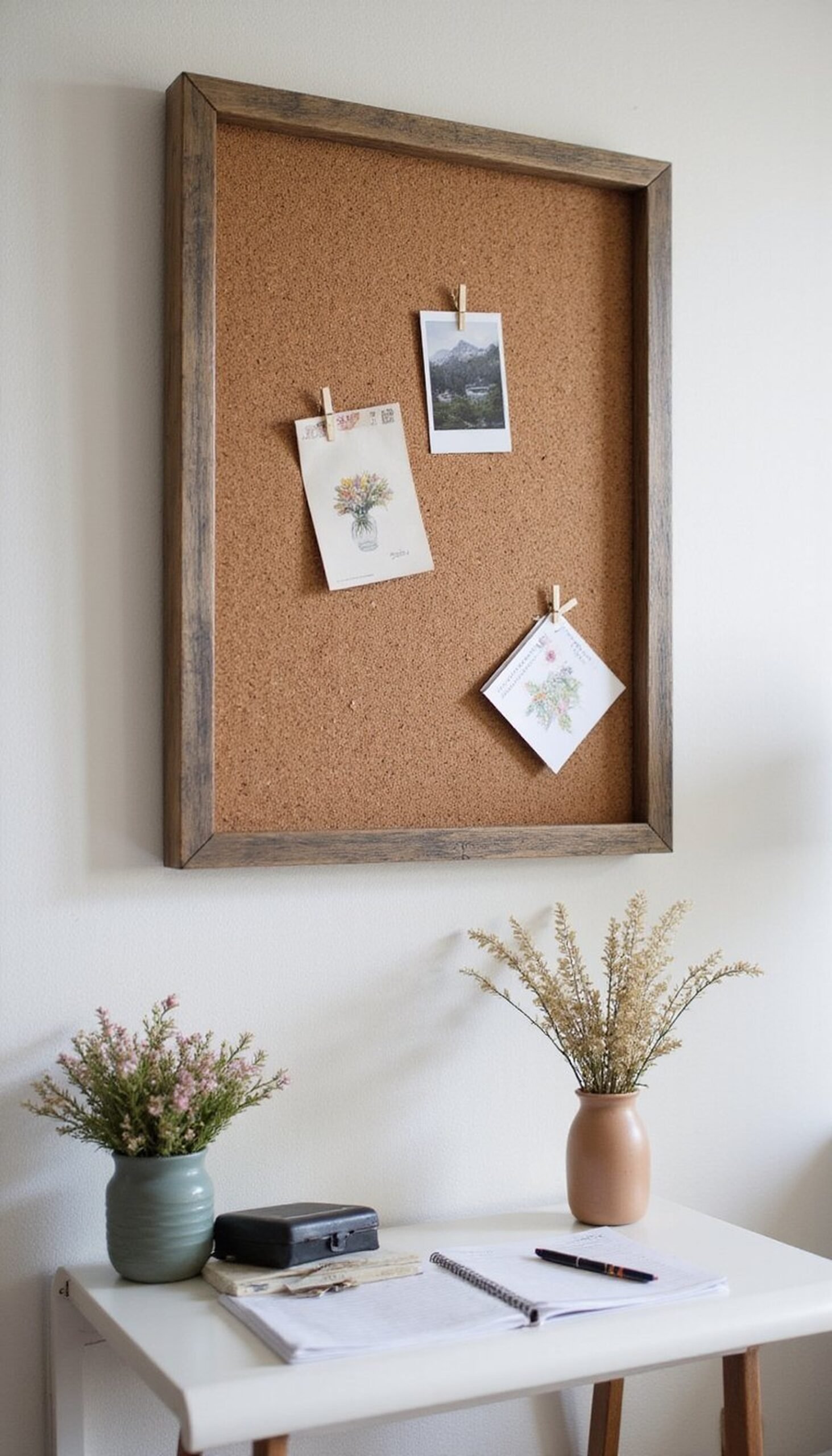
Replace plastic boards with a framed cork panel that doubles as art and function. Thick cork tiles glued to a simple reclaimed wood frame feel tactile and warm beside a desk. Use clothespins or wooden pins for notes, dried flowers, and small postcards to keep everything charming rather than cluttered. The palette stays neutral—cork brown, light wood, and a few muted accent colors from pinned items—so it complements many office styles. I switched mine from a stark white board, and the room finally feels calmer and more inviting while I answer emails.
Styling Tips
- Create a grid of cork tiles for a larger statement.
- Pin fabric swatches or small plant clippings for texture.
- Keep a small basket below for extra papers and tools.
DIY upcycled glass bottle pendant lamps
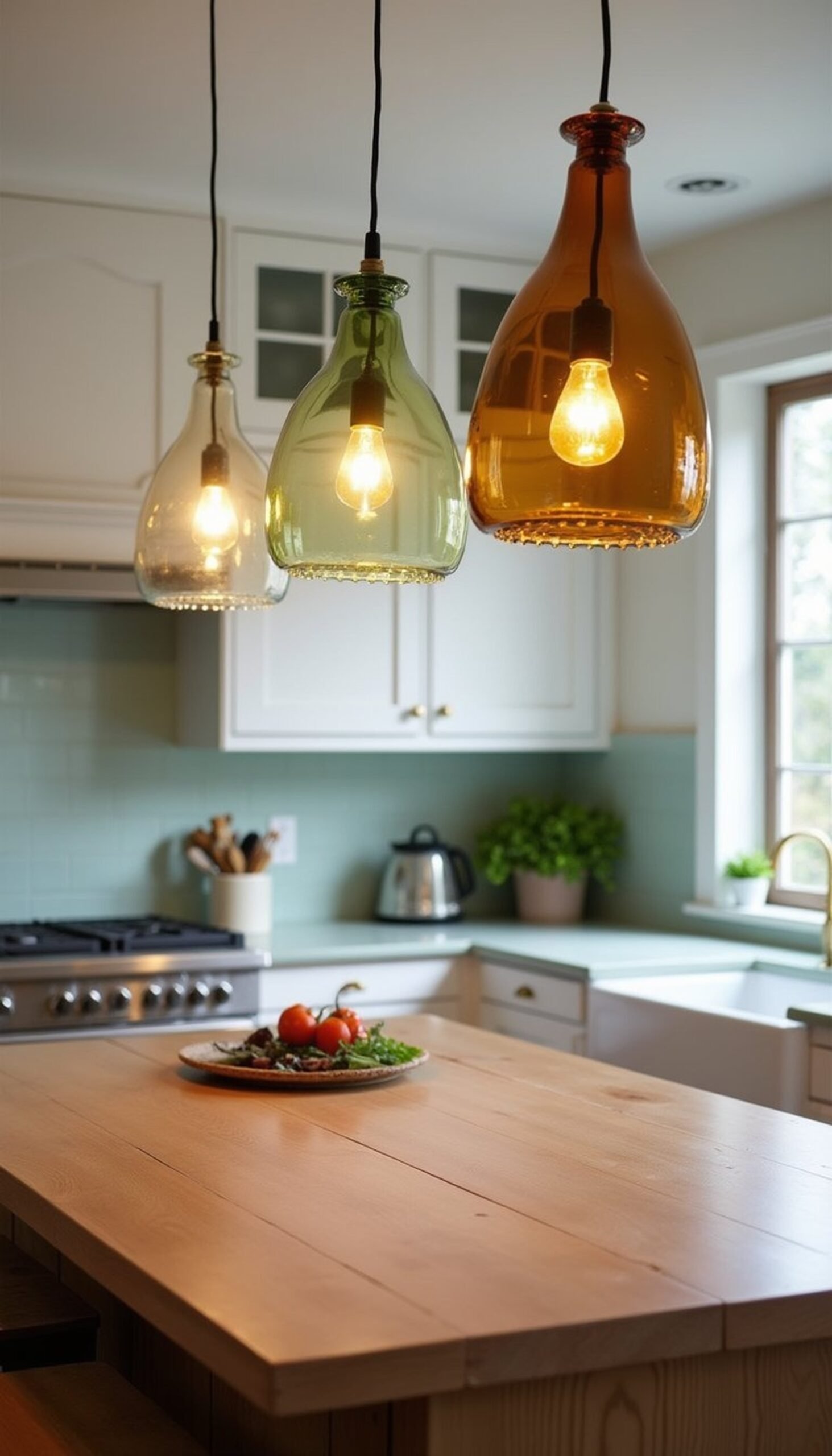
Turn old bottles into pendant lights by cutting and sanding the bottoms, then adding low-voltage LED fittings. Clear, amber, and green glass each cast a different glow—amber for cozy warmth, clear for bright task light, and green for a soft filtered shade. Pair with brass or matte black fittings depending on your finish choices. The mix of glass, metal, and simple cords reads industrial-meets-natural. I hung a cluster above my kitchen island and loved the way recycled glass scatters light over the counter while keeping the vibe relaxed.
Styling Tips
- Use LED bulbs to keep heat low and safe.
- Cluster three at staggered heights for impact.
- Match cord color to the room’s metal accents for cohesion.
Pressed flower lampshade — delicate and green
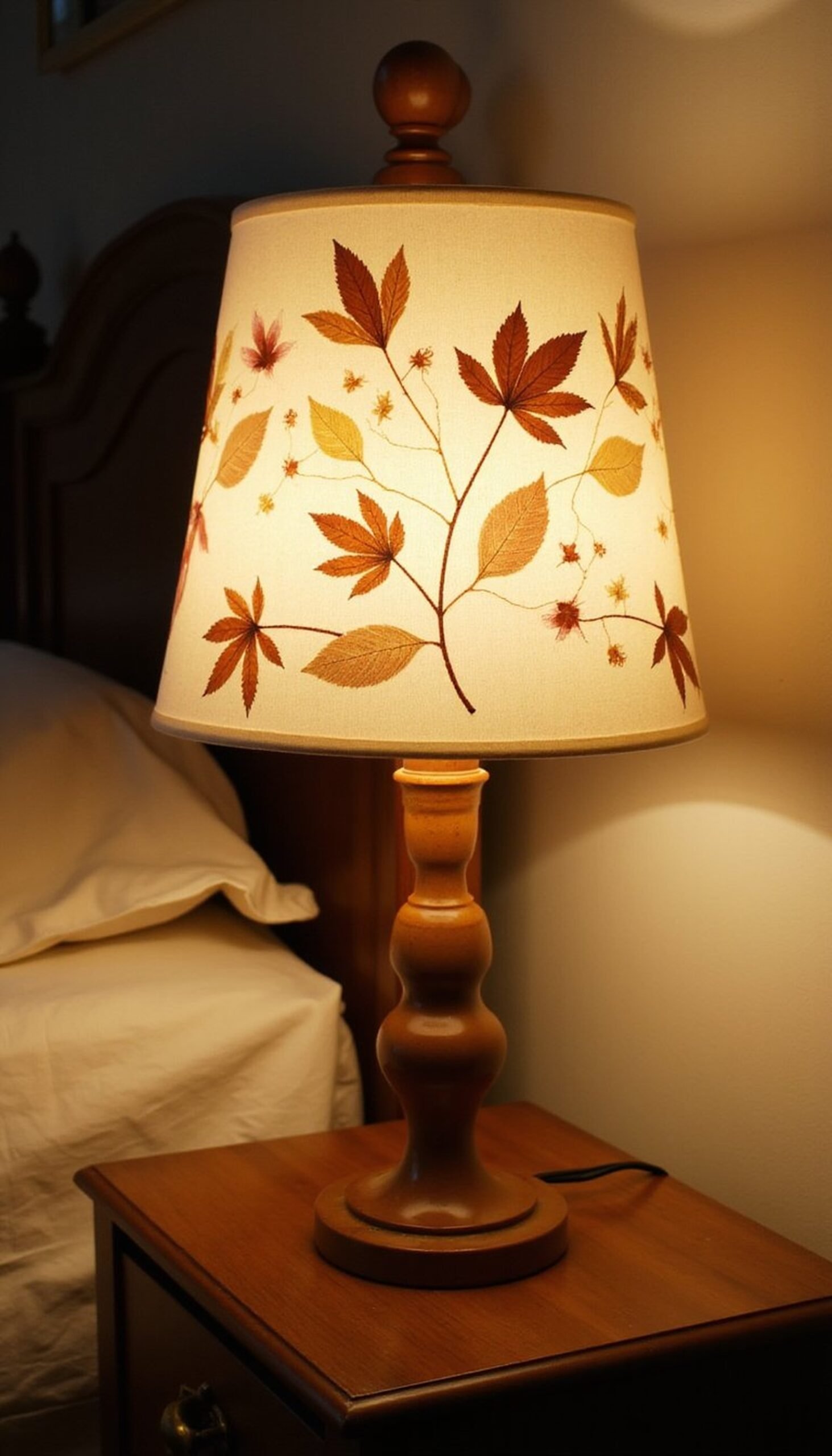
Create a lampshade that holds pressed blooms between a clear lampshade cover and a neutral inner shade. Use flattened leaves, small petals, and thin stems arranged in simple compositions. The effect is a translucent collage where light gently highlights veins and shapes. Natural tones—ivory shade, soft greens, & warm amber light—make this ideal for bedside lamps or a hallway sconce. I pressed flowers from a summer bouquet and the lampshade keeps that memory alive with soft, botanical glow that’s intimate and serene.
Styling Tips
- Use LED bulbs to avoid overheating the pressed botanicals.
- Choose a shade with a clear outer layer for protection.
- Rotate displayed flowers seasonally to keep the look fresh.
Reclaimed wood floating shelf for plants
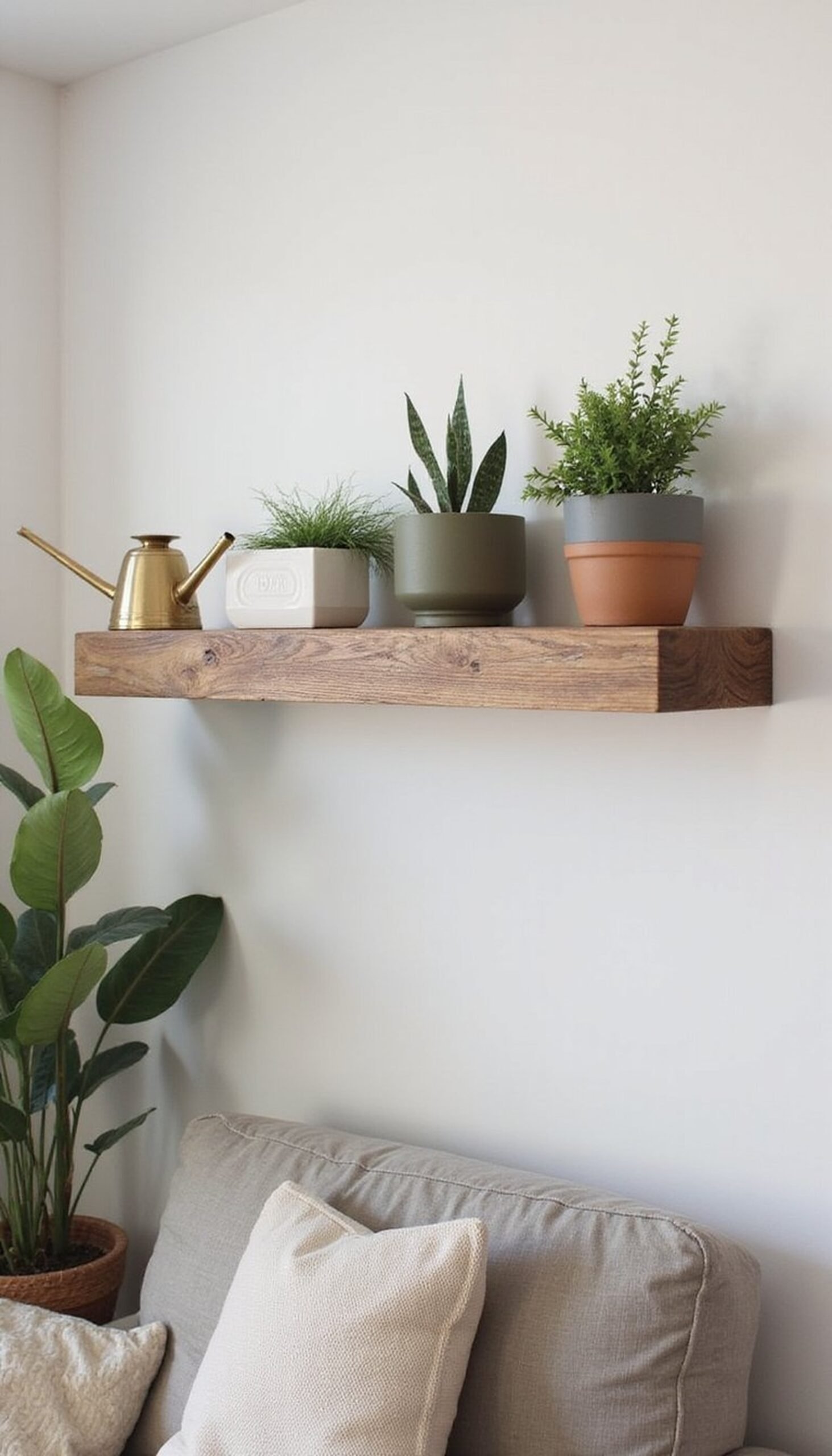
A single reclaimed wood floating shelf can hold a mini indoor garden and a few small ceramics. Choose a live-edge plank or sanded crate wood with a matte oil finish so the grain shows through. Combine small planters in muted tones—moss green, warm clay, and dove gray—with a brass watering can for contrast. The textures of rough wood, glossy leaves, and matte pots create an inviting shelf vignette. I installed one above my sofa to keep a cluster of small plants up and out of reach of pets, and it felt like bringing a slice of outdoors inside.
Styling Tips
- Anchor the shelf into studs for safety with heavy plants.
- Mix heights: tall glass vase, medium planter, low trays.
- Leave breathing room between items for a relaxed look.
Natural dye pillow covers from kitchen scraps

Use onion skins, avocado pits, and turmeric to dye plain linen pillow covers for subtle, earthy colors. Bundle fabric with leaves or flowers for eco-print variations and simmer gently in a dye bath until you reach the hue you like. Linen takes dye in a way that leaves soft, vintage-like fades—think tea-stained ochre, dusty rose, and soft moss. Pair these covers with woven throws and wooden frames to balance textures. I keep a stack of these on my couch; they feel like a small homage to the kitchen and seasons.
Styling Tips
- Test dye on a scrap before committing to a whole cover.
- Mix patterns sparingly to keep things calm.
- Air-dry covers flat to avoid uneven creasing.
Woven jute rug: hand-loomed entry update
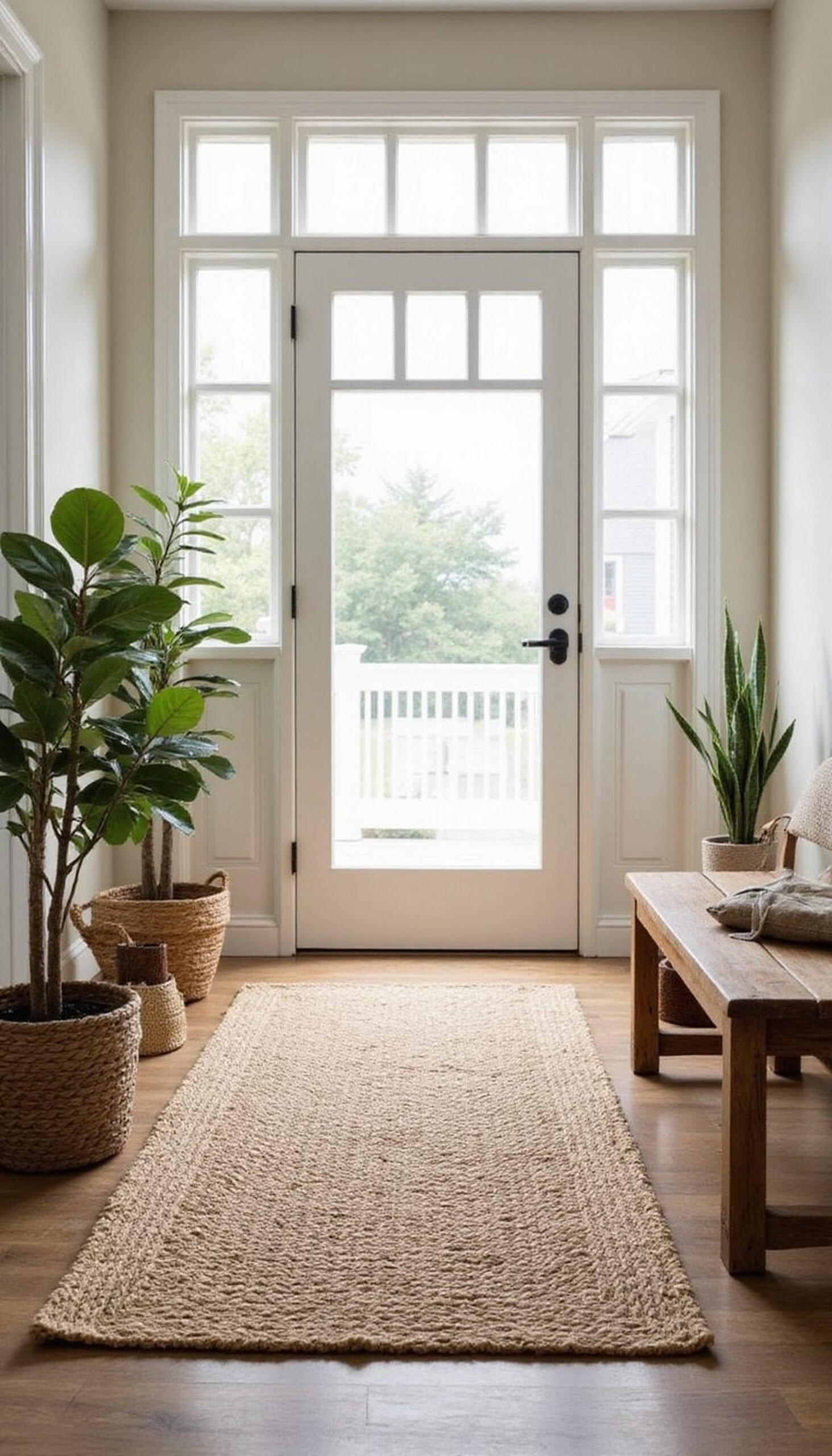
A hand-loomed jute rug brings tactile warmth to an entryway without synthetic fibers. The natural beige of jute complements painted doors, stone floors, and potted greenery. Look for simple braided or looped textures that can handle foot traffic and shed less than shaggy styles. Pair with a small reclaimed bench and woven basket for umbrellas or shoes. The palette is neutral with pops of dark iron or deep green from plants. I swapped my runner for a jute piece and guests always comment on its pleasant texture underfoot.
Styling Tips
- Layer with a small washable mat near the door for wet days.
- Keep a low-profile bench nearby for sitting and shoe changes.
- Rotate seasonally to spread wear evenly.
Clay air-purifying potpourri for bathrooms and small spaces
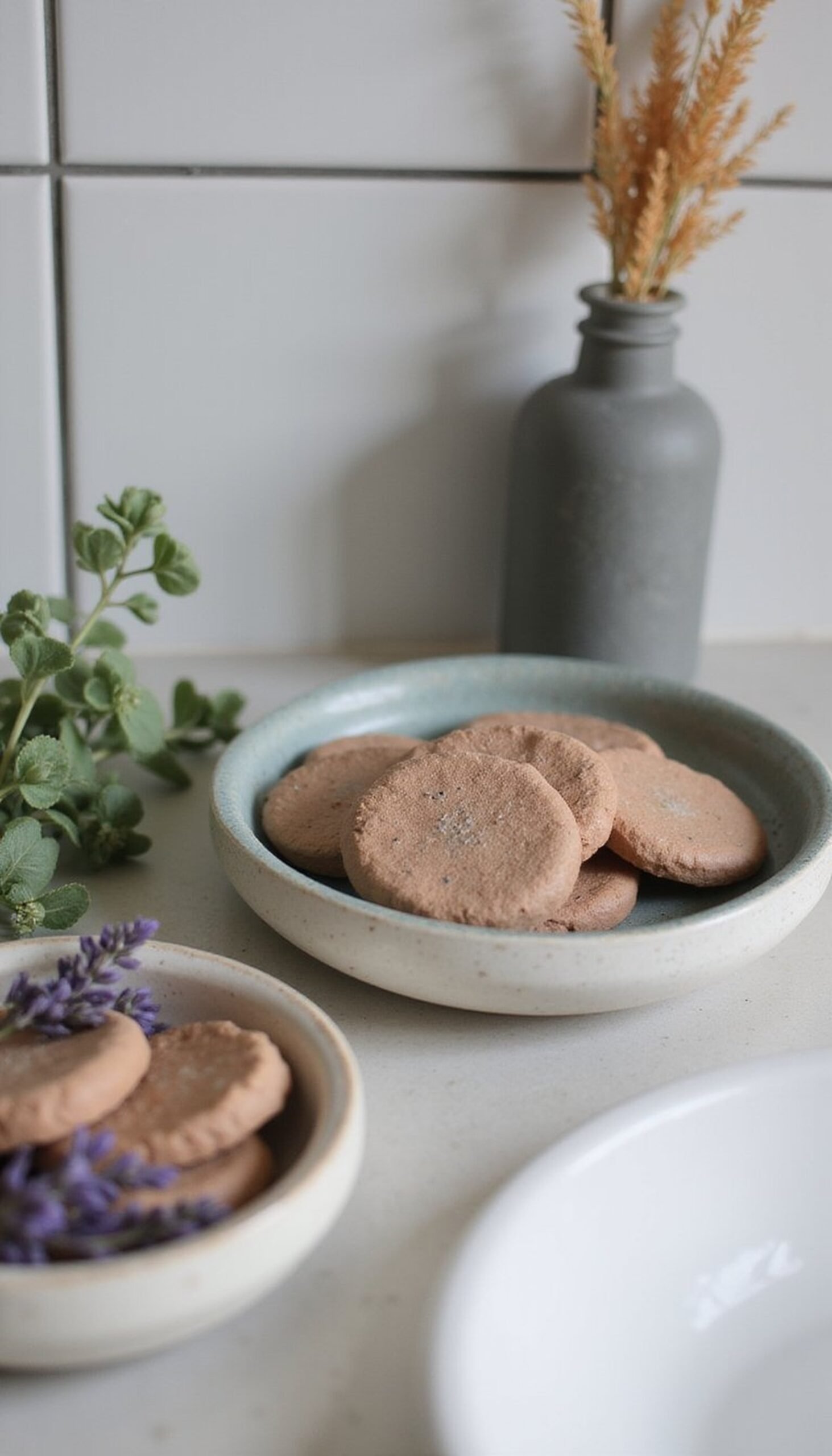
Create tiny clay disks scented with dried lavender, eucalyptus, and a few drops of essential oil to freshen humid corners. Use air-dry clay pressed with herbs and small citrus peels, then cure and place in open ceramic dishes. The matte clay provides a neutral base while the botanicals add color and shape—soft purples, muted greens, and pale orange. These little dishes are gentle on the senses and bring natural textures into bathrooms or closets. I tuck one into a linen drawer and it leaves a faint, pleasant scent without chemical overwhelm.
Styling Tips
- Place a disk on a small ceramic saucer to protect surfaces.
- Refresh with a drop of essential oil when scent fades.
- Use different herbs for varied seasonal aromas.
Recycled fabric wrapped planters: soft, colorful, cozy
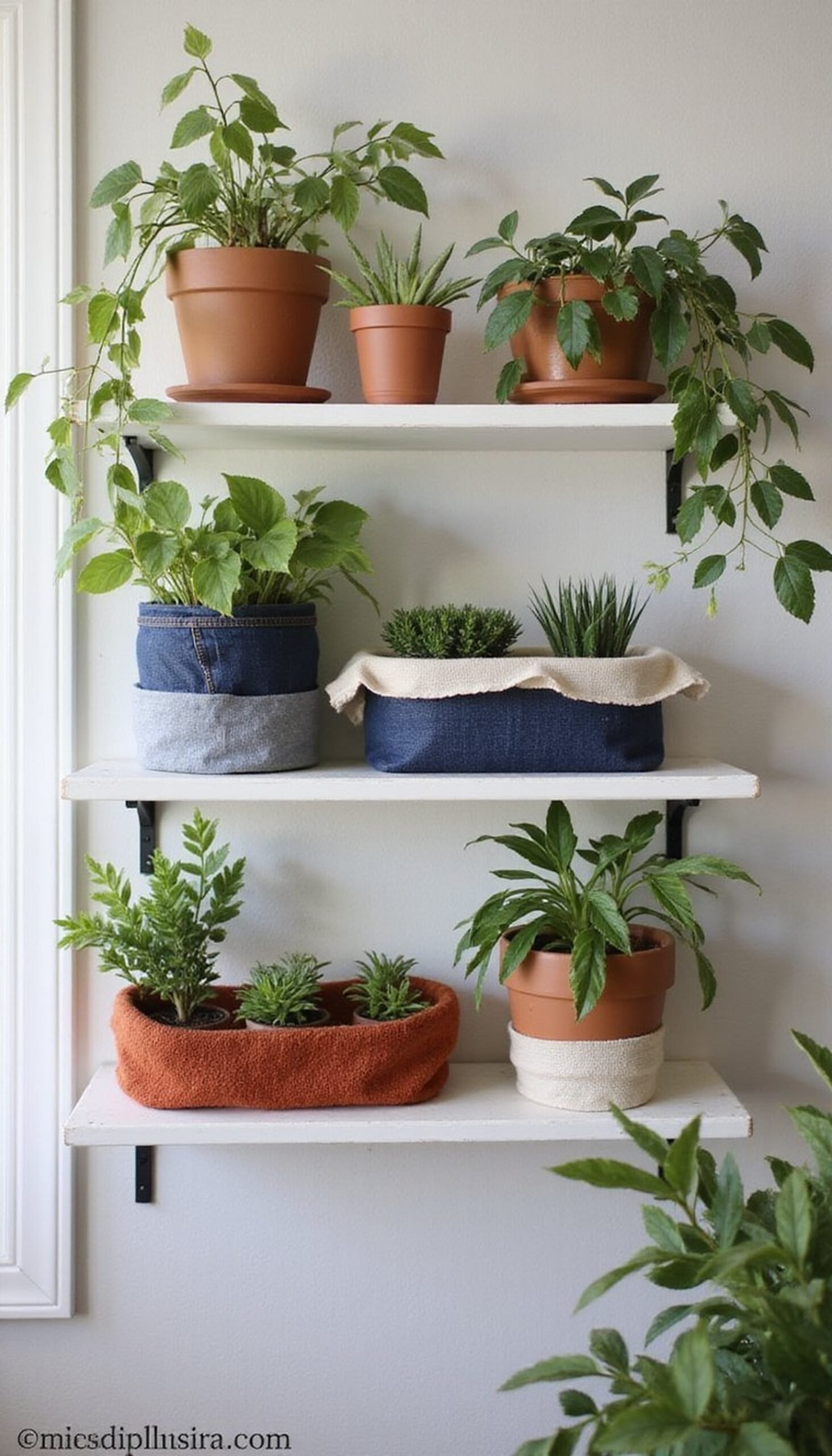
Wrap plain pots in strips of recycled fabric for instant texture and color without buying new planters. Use denim, linen scraps, or leftover curtain fabric and secure with a dab of fabric glue or hidden stitches. The fabric softens the look of ceramic or terracotta and adds a textile layer that ties into cushions or throws nearby. Choose a palette of dusty blues, warm rust, and soft cream for harmony. I made several to match seasonal throws, and switching fabrics is a simple way to refresh the vibe without extra purchases.
Styling Tips
- Use waterproof lining inside if you water plants in the wrapped pot.
- Coordinate fabric patterns with nearby textiles for cohesion.
- Trim excess fabric neatly for a tailored finish.
Seed bomb wall art for balcony and patio
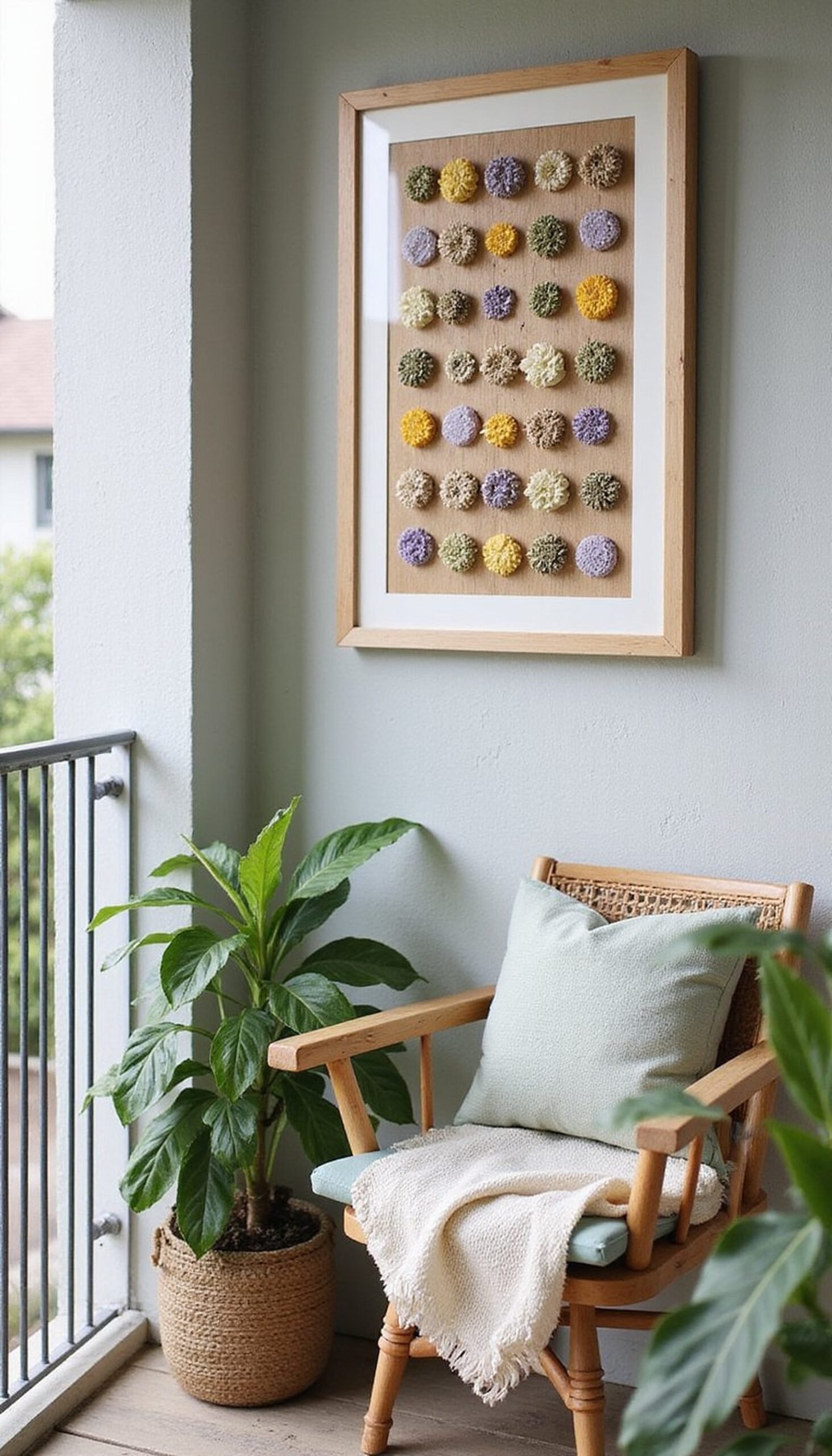
Turn seed paper or seed bombs into framed wall art that can be planted outside when the season is right. Arrange pressed wildflower seed rounds in a shallow frame layered over recycled cardboard, or hang small pouches on a reclaimed wood board. The colors come from the seeds and dried petals—pale yellows, lilac, and meadow greens—and the textures are raw and tactile. I made a piece for our balcony and later scattered the seeds into a flower bed; it felt like unwrapping a gift twice: once on the wall, then in the soil.
Styling Tips
- Label seed types clearly so you remember planting times.
- Use weatherproof backing if hanging outdoors.
- Frame several small pieces for a gallery effect.
Hanging herb dryer from reclaimed ladder
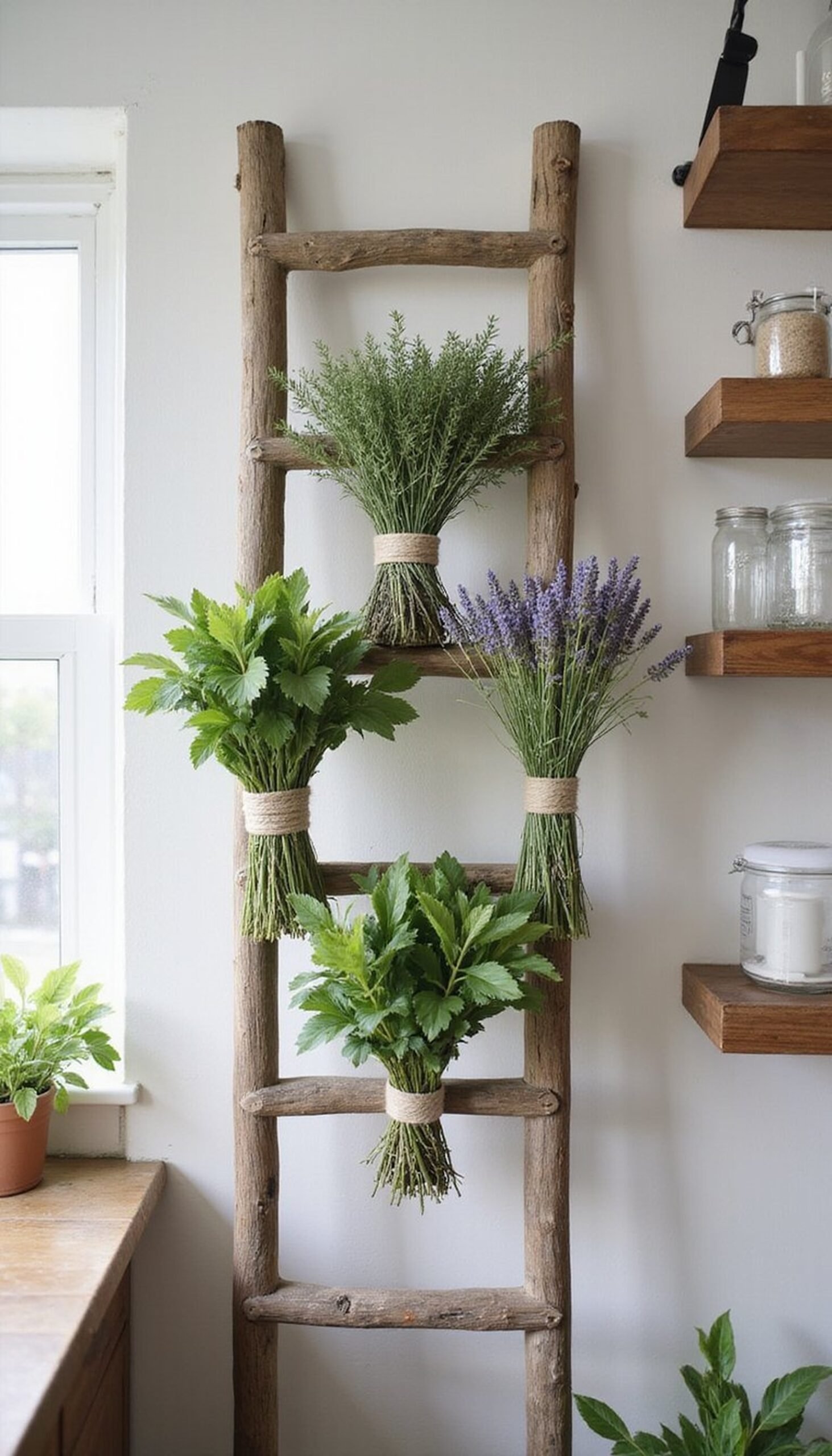
Repurpose a short reclaimed ladder horizontally to hang bundles of herbs and small drying flowers. Tie bunches with cotton twine and hang from the rungs; the wood will season over time and take on a lived-in texture. This works near a sunny kitchen window or a dry pantry corner. The palette is neutral wood with pops of green, lavender, and straw-colors from dried stalks. I strung mine above a prep table, and it became both storage and subtle decor—handy when I reach for dried herbs mid-cooking.
Styling Tips
- Hang where airflow is good but away from direct heat sources.
- Mix herbs and small flowers for varied textures.
- Label bundles with small kraft tags for easy ID.
DIY terracotta tile coasters with leaf prints
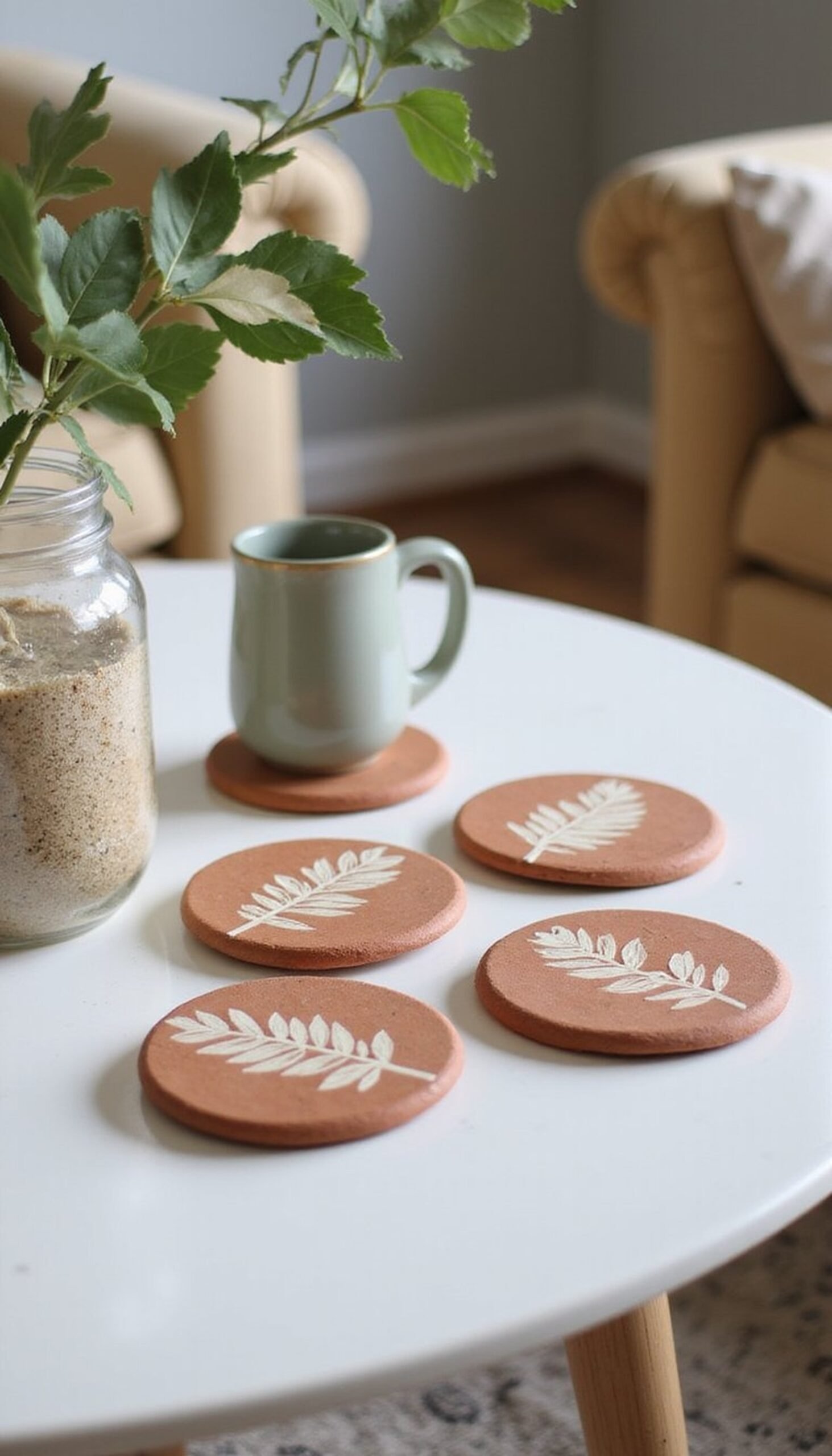
Press fresh leaves into small terracotta tiles before firing or air-drying to capture detailed vein patterns. Leave the clay natural for a warm, earthy coaster or wash with a pale glaze for subtle color. The finished set offers tactile contrast: rough clay edges against glossy cups and cold glass. Color choices are grounded—terracotta red, sage green, and soft cream—so they fit in many kitchens. I made a stack for my coffee table and enjoy how each coaster feels slightly different, almost like tiny impressions of a summer walk.
Styling Tips
- Seal with food-safe varnish if you’ll use them for cold drinks.
- Mix leaf shapes for a varied set.
- Wrap in twine and give as a thoughtful, low-waste gift.
Scented linen spray with vodka and herbs
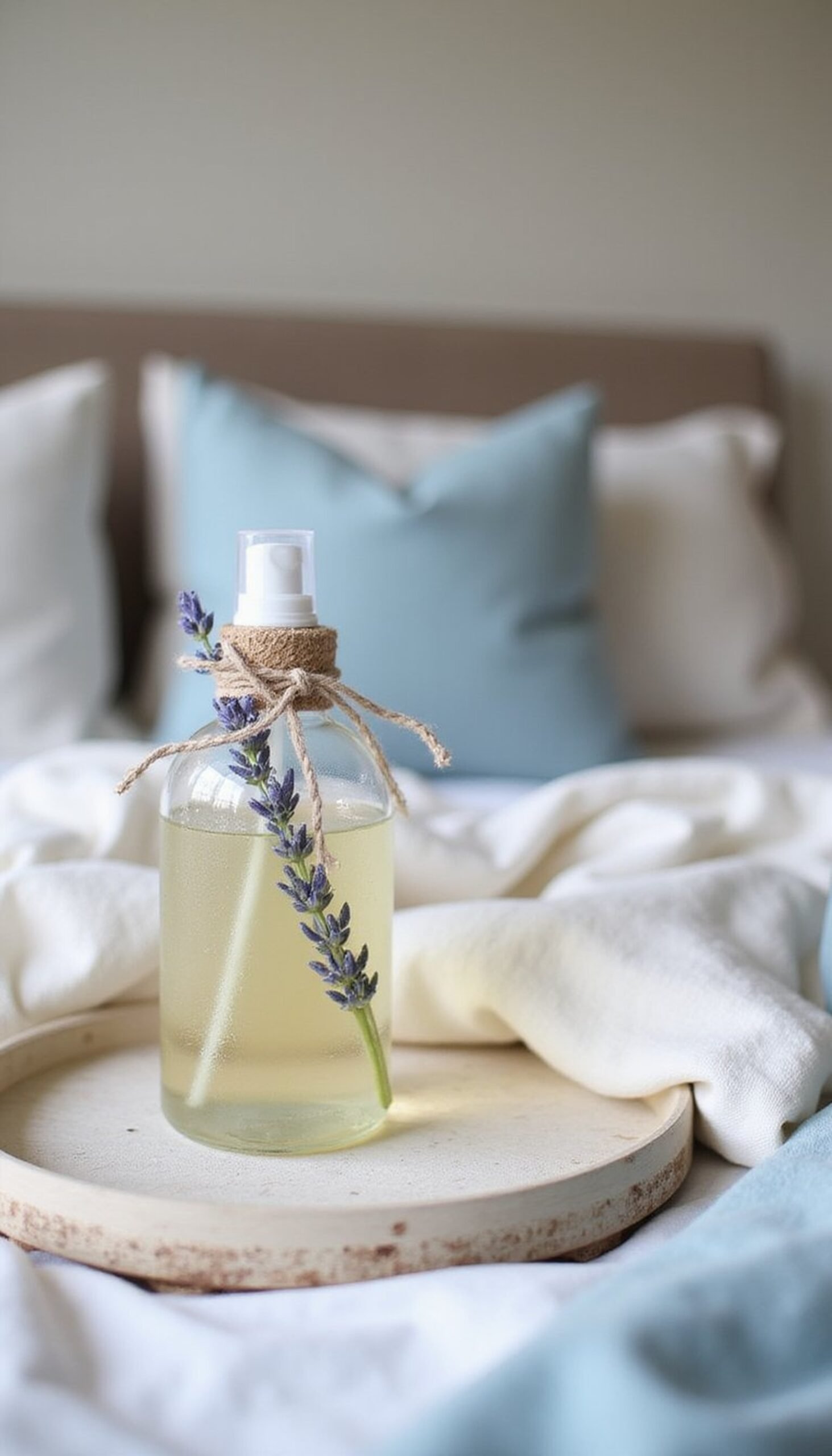
Make a linen spray using a clear spirit base, distilled water, and fresh herbs like lavender, rosemary, or mint. Steep herbs in the spirit for a day, strain, then dilute with distilled water and store in a recycled glass spray bottle. The result is a light, natural mist that refreshes bedding, curtains, or sofas without artificial chemicals. The visual is simple—clear bottle, muted green label, and sprigs tied to the neck—matching linens in soft creams and washed blues. I spritz mine before bed for a subtle, calming scent.
Styling Tips
- Shake before each use to wake the ingredients.
- Store in a cool, dark place to preserve scent.
- Test on a hidden fabric patch to ensure no staining.
Upcycled book planters for shelves and desks
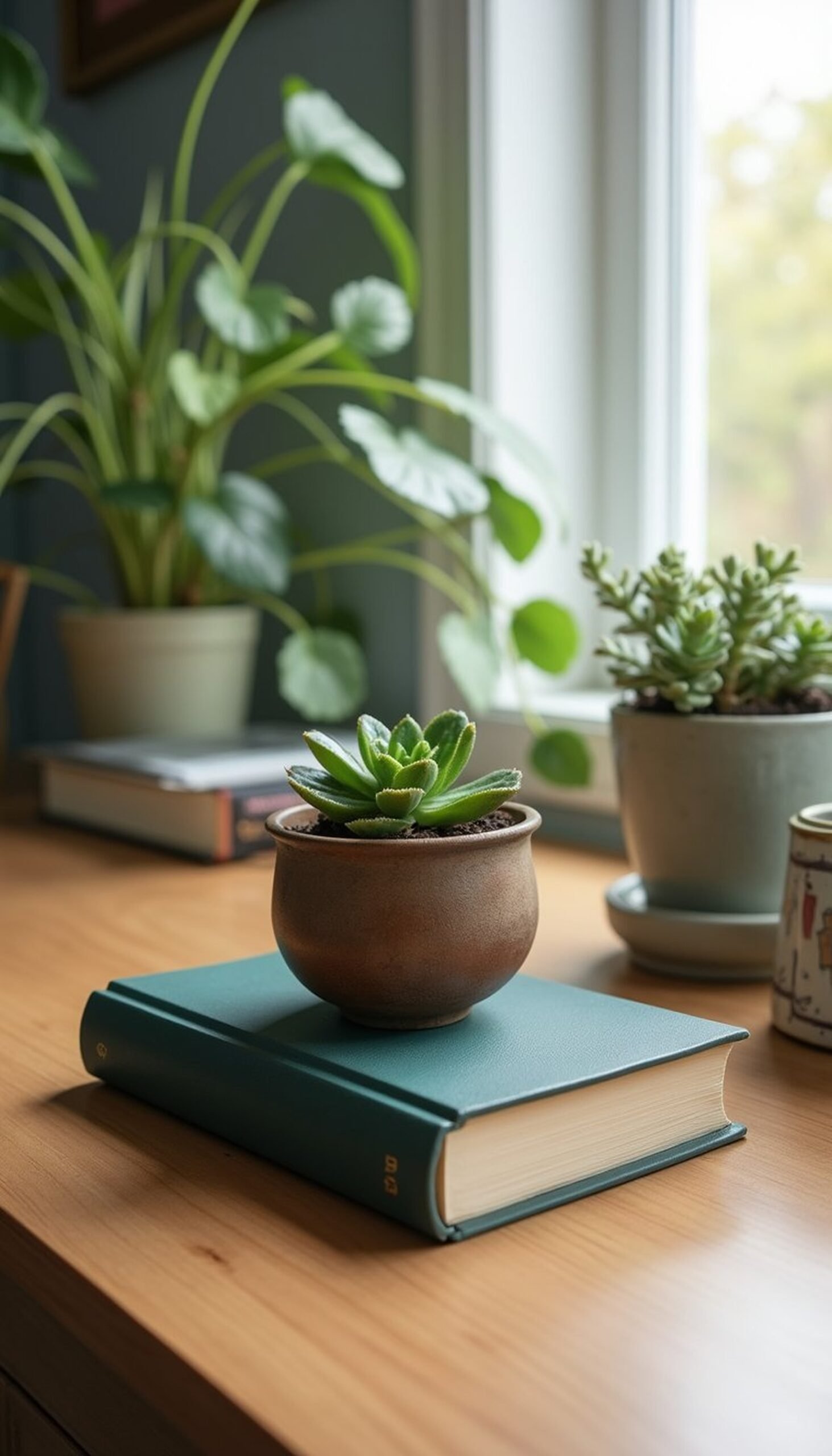
Hollow out vintage hardcovers to create quirky planters for small succulents or air plants. Line the cavity with a thin, recycled plastic liner or beeswax cloth to protect the pages and add drainage material. The contrast between printed covers, glossy green plants, and a hint of soil is charmingly unexpected. Choose books with muted covers—navy, forest green, or tobacco brown—to keep the look cohesive. I keep one by my desk and it feels like a tiny story unfolding; guests often smile at the playful mix of literature and life.
Styling Tips
- Use small succulents that need little water to avoid damage.
- Place on a saucer to catch any stray soil.
- Balance with vertical books or small frames nearby.
Sun-catcher wind chimes made from sea glass
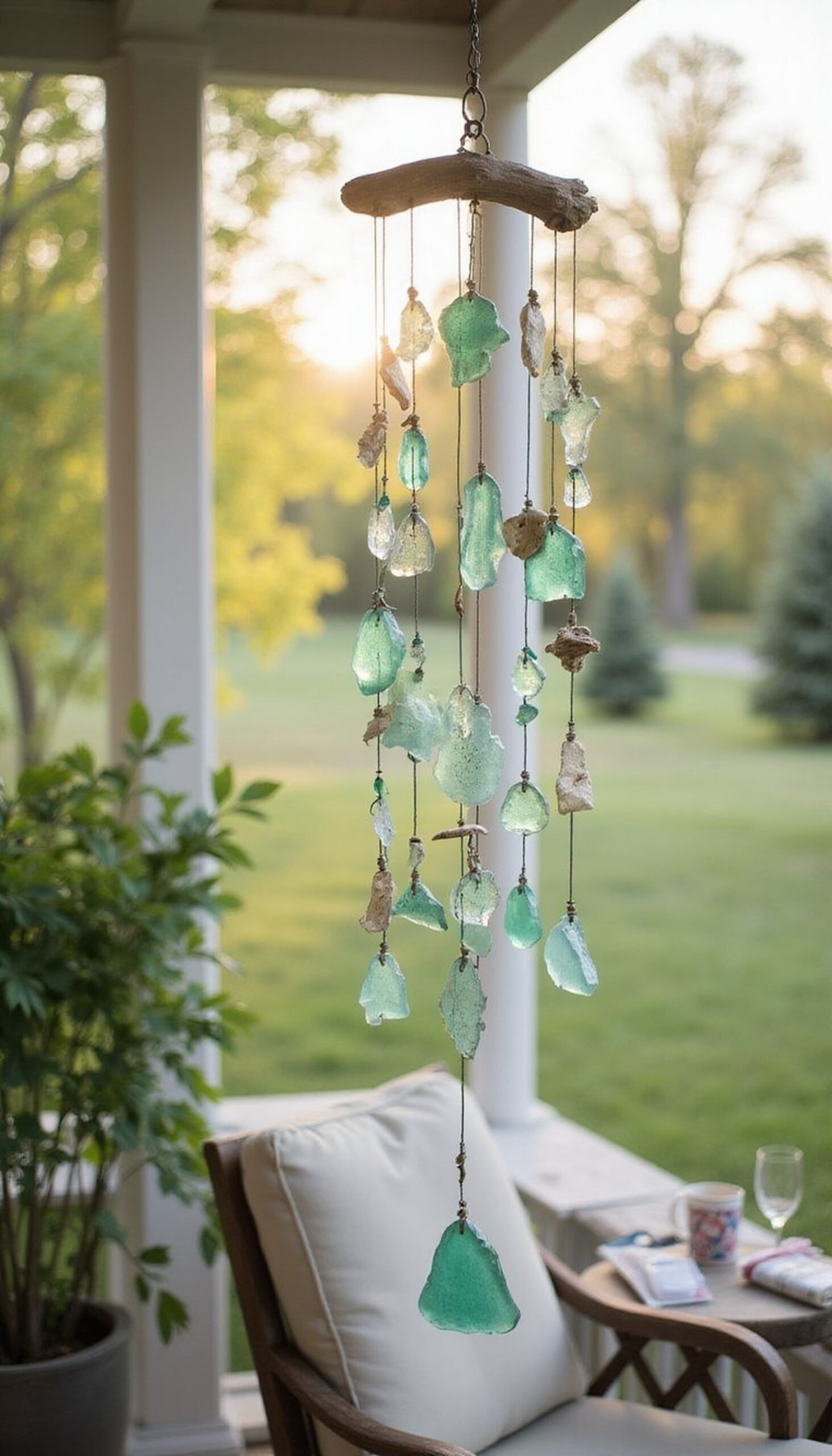
String sea glass shards and small driftwood pieces into a delicate wind chime that catches sun and breeze on a porch or balcony. Use thin fishing line for a floating look and brass or wooden spacers for subtle accents. Colors of sea glass—pale aqua, soft green, and frosted clear—create a coastal, light-filled palette. The textures—smooth glass and weathered wood—pair beautifully. I hang one near my kitchen door and love the gentle clink and the way light fractures through the glass at golden hour.
Styling Tips
- Anchor with a sturdy driftwood piece to hang from.
- Hang where gentle breezes will move the pieces.
- Combine with a small potted plant to soften the display.
Fruit crate shoe bench for entryways

Stacked and sanded fruit crates become a low-entry bench with cubbies for shoes and baskets. Keep the wood raw or give a wash of pale gray paint to coordinate with door trim. Top with a simple cushion made from leftover fabric tied with twine for a soft finish. The mix of raw wood, woven baskets, and textile cushion balances utility and warmth. I built one for our mudroom and it made mornings smoother—kids can stash sneakers and grab socks without a fuss, and the whole area looks tidier for it.
Styling Tips
- Add small labeled baskets for mittens and keys.
- Place a rubber mat underneath for wet days.
- Secure stacked crates together for stability.
Reusable beeswax food wraps as decor storage
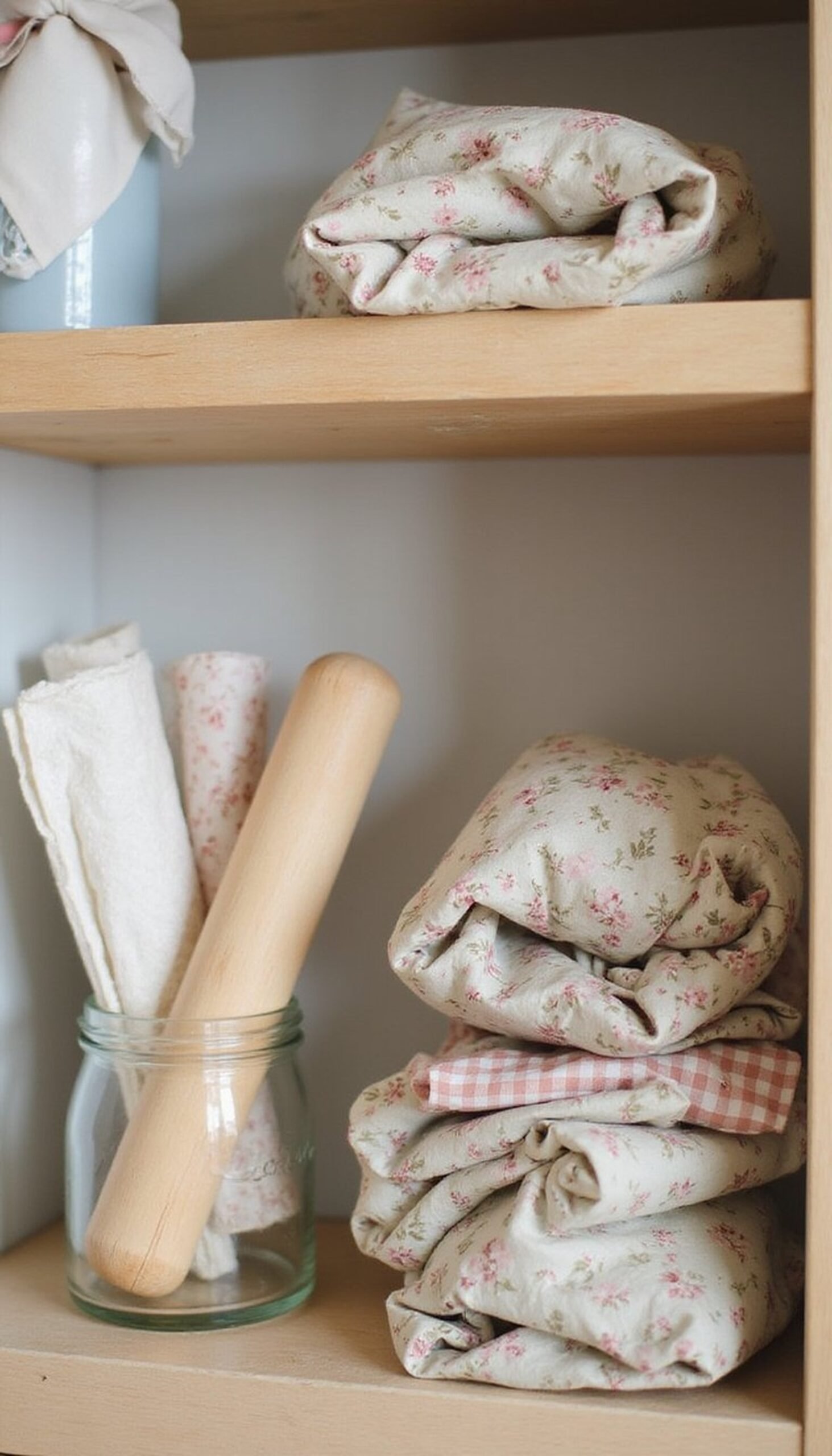
Fold colorful beeswax wraps into small pouches to store dried goods, cut herbs, or as decorative jar covers. The waxed fabric adds pattern and color—think muted florals, gingham, or simple stripes—while keeping things breathable. Stack a few on a kitchen shelf or roll them on a wooden rod for easy access. The palette can be soft pastels or warm earth tones depending on your kitchen finishes. I keep a jar of rolled wraps on the counter; they are cheerful and practical, and I reach for them more than disposable options these days.
Styling Tips
- Roll wraps and store in a clear jar for neatness.
- Choose patterns that echo tea towels or linens nearby.
- Keep a small drying rack for used wraps to air out.
Hand-painted recycled tin wall baskets display
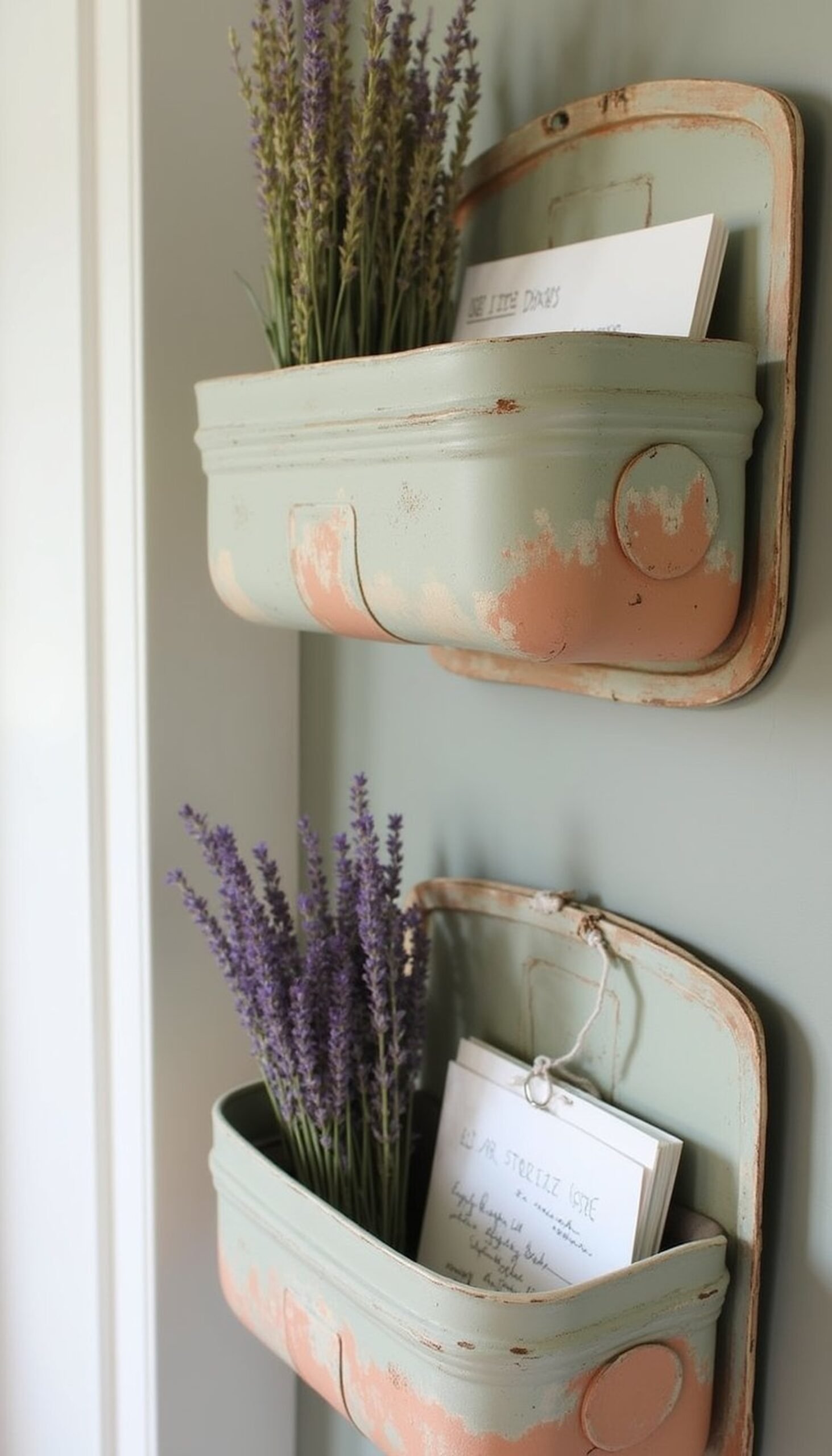
Sand and paint old tin cans or small tins and hang them as wall baskets to hold mail, dried flowers, or succulents. Use chalk paint or milk paint in soft tones—sage, muted terracotta, and cream—and distress lightly for a lived-in look. The metal adds an industrial edge against woven wall hangings or wooden boards. I made a row above my kitchen command center and it became both pretty and practical: keys, notes, and seed packets tuck neatly into painted tins that feel cheerful on the wall.
Styling Tips
- Use a strong adhesive or small screws for secure mounting.
- Group tins in an offset grid for casual rhythm.
- Add a small plant or a bundle of lavender to a few tins for scent.