Key Takeaways
- Ghettos and slums both represent distinct types of marginalized urban spaces, each shaped by unique social and structural forces.
- The term “ghetto” is closely tied to enforced residential segregation of particular social, ethnic, or religious groups, often mandated by policy or tradition.
- Slums primarily arise due to economic hardship, rapid urbanization, and lack of planning, resulting in inadequate living conditions and infrastructure.
- While both environments face significant challenges, the mechanisms and histories leading to their formation differ considerably.
- Understanding the nuanced distinctions between ghettos and slums is crucial for effective urban policy and community intervention.
What is Ghetto?
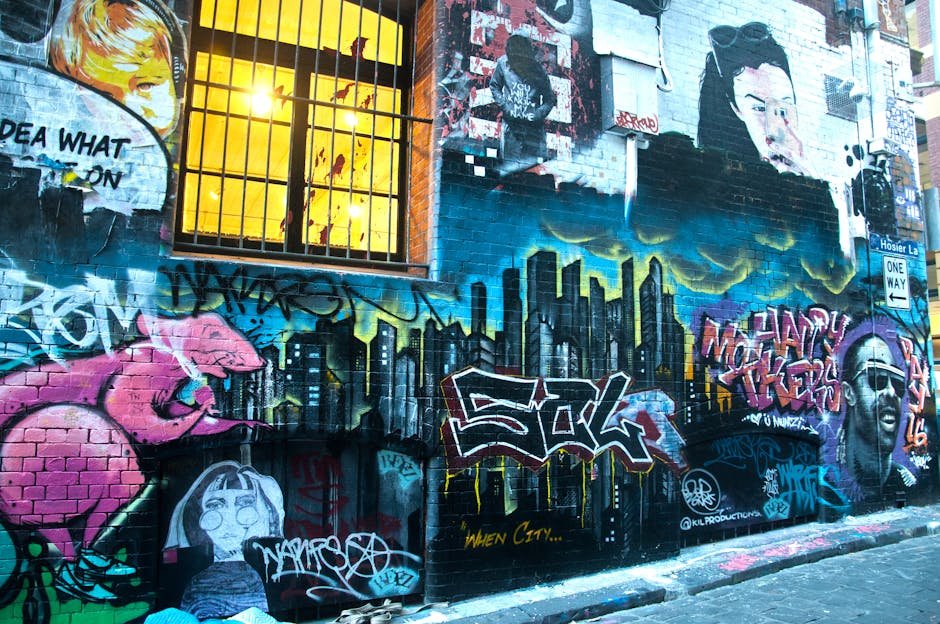
A ghetto is a defined urban area where a specific group, often marginalized by ethnicity, religion, or nationality, lives under conditions of enforced separation. These areas historically emerge due to deliberate social, legal, or political restrictions that limit residents’ freedom of movement and integration.
Origins and Historical Context
The concept of the ghetto dates back to 16th-century Venice, where Jewish citizens were confined to a designated quarter. Over time, similar forced residential clusters appeared across Europe and the United States, affecting various groups.
During World War II, Nazi authorities established Jewish ghettos across occupied territories as a precursor to more severe persecution. These environments were marked by overcrowding, deprivation, and strict controls on personal freedoms.
In the United States, ghettos became associated with racial segregation, particularly following the Great Migration of African Americans to northern cities. Policies such as redlining and restrictive covenants ensured that minority populations remained concentrated within certain neighborhoods.
In modern times, urban ghettos often persist due to the lingering effects of historical segregation, even after legal barriers have been removed. The legacy of these practices continues to influence social dynamics and spatial patterns within cities.
Demographics and Social Structure
Ghettos are typically characterized by a high concentration of one specific group, often with shared cultural, linguistic, or religious backgrounds. This social homogeneity is a direct result of both external pressures and internal community bonds.
Residents may develop robust social networks and institutions, such as community centers, places of worship, and local businesses. These networks can foster resilience and mutual support, even in the face of adversity.
Despite these strengths, ghettos often experience higher rates of poverty, limited access to quality education, and restricted employment opportunities. The combination of external stigma and internal challenges can make upward mobility difficult for many inhabitants.
Social dynamics within ghettos can be complex, with a mix of solidarity and tension arising from crowded conditions and limited resources. Outside perceptions of ghettos often overlook the diversity and vitality found within these communities.
Physical Environment and Urban Form
Ghettos are usually defined by clear and sometimes artificial boundaries, which may be established by law, custom, or urban design. These boundaries can be physical—such as fences or major roads—or invisible lines recognized by residents and outsiders alike.
Housing stock in ghettos ranges from aging apartment blocks to densely packed row houses, often reflecting the era and circumstances of their creation. Overcrowding is common, as restrictions on movement and economic marginalization limit housing options.
Public services and infrastructure in ghettos are frequently underfunded or neglected, contributing to deteriorated streets, schools, and recreational facilities. However, residents often create informal systems to compensate for these deficiencies.
Urban renewal projects sometimes target ghettos for redevelopment, which can lead to displacement or gentrification, further complicating the area’s social fabric. Community activism often arises in response to such pressures, seeking to preserve local identity and autonomy.
Policy, Perception, and Change
Government policies have played a significant role in both the creation and persistence of ghettos, through instruments like discriminatory zoning, public housing placement, and policing strategies. Attempts to address these areas have ranged from integration programs to aggressive redevelopment schemes.
Public perception of ghettos is frequently shaped by negative stereotypes, which can hinder investment and perpetuate cycles of disadvantage. Media portrayals may exaggerate crime or poverty, overshadowing the community’s strengths and aspirations.
Efforts to revitalize ghettos often face challenges balancing development with community preservation. Successful interventions typically involve collaboration with local residents and respect for cultural heritage.
Changing the trajectory of ghettos requires sustained commitment to equity in education, housing, and economic opportunity. Policy shifts alone are rarely sufficient without broader societal engagement and support.
What is Slum?
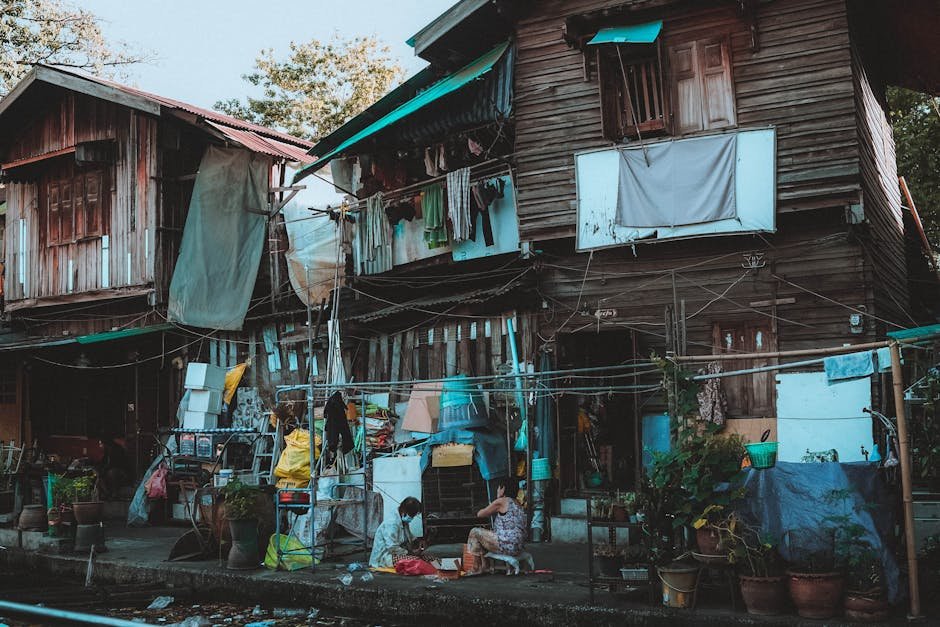
A slum is a densely populated urban area characterized by substandard housing, poor sanitation, and inadequate access to essential services. Slums typically develop informally on the margins of cities, often without official recognition or legal tenure.
Formation and Growth Dynamics
Slums commonly arise from rapid urban migration, where the influx of people outpaces the city’s ability to provide affordable housing. Many families are forced to settle wherever land is available, often on unused or hazardous sites.
The lack of formal planning means that slums grow in haphazard patterns, with makeshift dwellings built from available materials. These settlements may expand over time, developing their own internal organization and hierarchy.
Economic hardship is a key driver of slum formation, as low-income residents seek proximity to employment opportunities within the city. Without sufficient resources, they are unable to access formal housing markets or basic services.
Slums are found in both developing and developed countries, though their scale and conditions vary widely. In cities like Mumbai, Kibera, and Rio de Janeiro, slums house millions and form critical parts of the urban landscape.
Living Conditions and Infrastructure
Housing in slums is often constructed from salvaged materials, resulting in structures that are vulnerable to weather and disaster. Overcrowding is common, with multiple families sometimes sharing single rooms or small plots of land.
Basic services such as water, sanitation, and electricity are frequently absent or unreliable. Residents may rely on communal taps, pit latrines, or illegal connections to meet their daily needs.
Poor infrastructure contributes to health risks, including outbreaks of diseases linked to unsanitary conditions. The absence of paved roads and drainage systems can intensify problems during heavy rains, leading to flooding and contamination.
Despite these hardships, slum communities develop coping mechanisms, including informal economies, social networks, and local leadership structures. These adaptations help residents survive and even thrive in challenging environments.
Social Composition and Community Life
Slums are typically diverse, with residents coming from various ethnic, cultural, and regional backgrounds. This diversity can foster vibrant social and cultural expressions, evident in local festivals, markets, and artistic traditions.
Community organizations often play a crucial role in advocating for infrastructure improvements and access to services. Grassroots movements have achieved significant successes in securing legal rights, upgrading housing, and improving public health.
Crime and insecurity can be issues in some slums, partly due to weak law enforcement and limited economic opportunity. However, many residents report strong social cohesion and collective action to address problems.
Education and healthcare are often provided through informal or non-governmental channels, as public systems may be inaccessible or overstretched. Nonprofit and international organizations frequently support these efforts, enabling incremental improvements over time.
Challenges and Pathways to Improvement
Slum upgrading is a major focus for urban policy, involving initiatives to provide secure tenure, improve infrastructure, and integrate settlements into the formal city. These projects seek to avoid displacement and preserve community ties while enhancing living standards.
Land rights are a central issue for slum dwellers, as the lack of legal recognition leaves them vulnerable to eviction. Regularization programs aim to grant ownership or long-term leases, enabling investment in better housing.
Economic empowerment is critical, with many slum residents dependent on informal work or small-scale entrepreneurship. Access to microcredit, training, and legal recognition can help households build more sustainable livelihoods.
Environmental hazards, such as landslides or industrial pollution,