Key Takeaways
- Hamlets and villages are both small settlements, yet they differ in size, infrastructure, and administrative recognition.
- Hamlets usually lack central amenities and governance structures, making them more informal and tightly-knit.
- Villages are often recognized as administrative entities and offer basic services such as schools, places of worship, and shops.
- The distinction between hamlet and village varies internationally, but core differences remain consistent across regions.
- Understanding the difference is crucial for planning, governance, and studying rural development patterns.
What is Hamlet?

A hamlet is a small rural settlement, typically smaller than a village and often lacking its own church or central amenities. Hamlets are scattered clusters of homes, sometimes recognized only by local tradition or usage.
Population and Settlement Pattern
Hamlets generally consist of a handful of dwellings, sometimes fewer than a dozen, often inhabited by related families or close-knit groups. This limited population fosters strong social bonds and a sense of intimate community.
Settlement patterns in hamlets are irregular, with homes dispersed along country lanes, at crossroads, or near natural features like streams. Unlike planned towns, their shape and structure are often organic, shaped by geography and history.
Because of their small size, hamlets rarely experience significant population growth or urbanization pressures. Many remain unchanged for generations, preserving traditional lifestyles and land use.
Examples can be found across Europe, such as hamlets in rural England or France, where only a few houses cluster together amidst farmland. Their diminutive scale often means they are overlooked on maps or official registers.
Infrastructure and Services
Hamlets typically lack public infrastructure such as schools, clinics, or commercial establishments. Residents must travel to neighboring villages or towns to access essential services.
Basic utilities like water, electricity, and sanitation may be present, but more advanced amenities are uncommon. Some hamlets rely on communal wells or off-grid solutions for their needs.
Transportation options in hamlets are limited, with only minor roads or footpaths connecting them to larger settlements. Public transport rarely serves these locations, making private vehicles essential for mobility.
This lack of infrastructure often makes hamlets less attractive to newcomers, contributing to aging populations and occasional depopulation. However, some people seek hamlets specifically for their tranquility and isolation.
Administrative Status
Hamlets are rarely recognized as independent administrative units by government authorities. Instead, they usually fall under the jurisdiction of a nearby village, parish, or municipality.
This lack of official status means hamlets do not have their own local councils or elected representatives. Decisions affecting hamlet residents are typically made at the village or town level.
In some regions, hamlets have traditional or historical recognition but lack any formal governance. In others, they are simply regarded as places or localities without boundaries.
This informality can affect access to public funding, infrastructure development, and representation in rural planning initiatives. As a result, hamlet residents may have less influence over local affairs.
Cultural and Social Aspects
Hamlets are often repositories of local customs and traditional ways of life, with residents maintaining practices passed down for generations. Social events, if any, center around family gatherings and informal neighborly support.
The close proximity of homes fosters a culture of mutual aid, where tasks such as farming, repairs, and childcare are often shared. This spirit of cooperation distinguishes hamlet life from more individualistic urban settings.
Festivals or communal activities are rare due to the small population, but when they occur, participation is nearly universal. Oral histories and local legends are commonly preserved in these tight-knit communities.
Some hamlets are noted for their distinctive architectural styles or vernacular buildings, reflecting regional identities. These features can attract heritage tourism or interest from cultural preservationists.
Economic Characteristics
Economic life in hamlets typically revolves around agriculture, livestock, or resource extraction. Many residents are engaged in family farming, small-scale forestry, or artisanal crafts.
Employment opportunities are few, prompting some inhabitants to commute to larger settlements for work. For some, subsistence farming remains a way of life, supplemented by occasional trade or seasonal labor.
Hamlets often have little commercial activity, with no shops or markets within their boundaries. Mobile vendors or periodic visits from traders may provide essential goods.
Land ownership patterns in hamlets are frequently longstanding, with properties passing through generations. This continuity helps preserve the landscape and traditional economic practices.
What is Village?
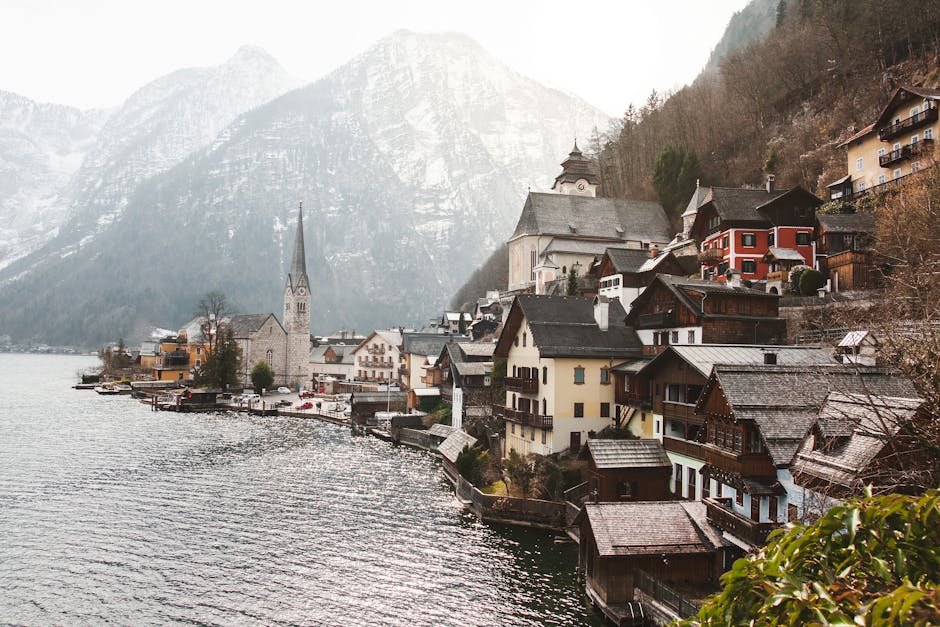
A village is a rural settlement larger than a hamlet, typically characterized by a central cluster of homes, basic amenities, and some form of local governance. Villages serve as key nodes for rural life, offering essential services and community identity.
Size and Demographics
Villages usually house populations ranging from a few hundred to several thousand people. This larger population base allows for greater social diversity and more complex community interactions.
Demographically, villages may include multiple extended families, newcomers, and individuals from varied backgrounds. This heterogeneity fosters a wider range of skills, professions, and social activities.
Population growth in villages is influenced by factors such as access to amenities, employment opportunities, and transportation links. Some villages expand over time, eventually evolving into small towns.
Villages can serve as regional centers, drawing people from surrounding hamlets for markets, festivals, and services. Their demographic vitality often makes them focal points for rural development programs.
Infrastructure and Amenities
Villages typically feature a range of basic amenities, including schools, clinics, shops, and places of worship. These facilities serve both local residents and people from neighboring smaller settlements.
Public infrastructure such as paved roads, electricity grids, and sometimes internet connectivity is common in many villages. Access to clean water and sanitation is generally higher than in hamlets.
Community spaces, such as village halls or playgrounds, provide venues for events, meetings, and recreational activities. Such amenities help foster a sense of identity and cohesion among residents.
Markets or small commercial centers are often present, enabling villagers to buy and sell goods without traveling far. These economic nodes contribute to the sustainability of village life.
Administrative Structure
Villages are commonly recognized as administrative entities, with boundaries defined by government or local authorities. Many have their own councils or elected leaders responsible for managing community affairs.
Local governance in villages typically involves decision-making about infrastructure, land use, and social services. This administrative status provides villagers with a voice in broader municipal or regional planning.
Villages may collect local taxes or fees to fund communal projects, such as road maintenance or public celebrations. This financial autonomy distinguishes them from smaller settlements.
The official recognition of villages often brings eligibility for government programs, grants, and infrastructure investments. This status can accelerate development and improve quality of life.
Community and Cultural Life
Villages are centers of rural culture, hosting festivals, religious ceremonies, and social gatherings. These activities strengthen communal bonds and preserve traditions.
Institutions such as schools and churches often double as gathering places for celebrations, meetings, and collective actions. Community leaders play active roles in organizing events and resolving disputes.
Villages are often characterized by a blend of old traditions and modern influences, adapting to changing circumstances while retaining cultural roots. This dynamic environment fosters resilience and creativity.
Local crafts, music, and cuisine thrive in village settings, contributing to regional identity and sometimes attracting visitors. Some villages are recognized for their unique heritage or as hubs of artistic production.
Economic Activity and Development
Villages support a diversified rural economy, including agriculture, retail, small-scale manufacturing, and services. Many residents run family businesses or participate in cooperative ventures.
Proximity to markets and access to infrastructure enables villagers to produce surplus goods for sale beyond their locality. This economic integration supports both subsistence and commercial activities.
Job opportunities in villages can range from farming and teaching