
Key Takeaways
- Maori and Aboriginal refer to indigenous populations within distinct geopolitical contexts: New Zealand and Australia, respectively.
- Their cultural expressions, languages, and social structures are uniquely shaped by their land and regional histories.
- Both groups have faced significant challenges due to colonization but maintain rich traditions and ongoing revitalization efforts.
- Recognition and integration of indigenous rights differ between New Zealand and Australia, influencing policy and public life.
- Contemporary identity for both Maori and Aboriginal peoples is informed by a blend of ancestral heritage and modern societal dynamics.
What is Maori?

Maori identifies the indigenous population of New Zealand, whose ancestors navigated from Polynesia over a millennium ago. Their presence is integral to the nation’s cultural, social, and political landscape.
Tribal Organization and Land Connection
Maori society is structured around iwi (tribes), hapū (sub-tribes), and whānau (families), forming a complex network of kinship and responsibility. These groups maintain deep connections to specific territories, often reflected in oral histories and place names.
Land (whenua) is central to Maori identity, with spiritual and practical significance rooted in ancestral guardianship. Disputes over land ownership and rights have shaped much of New Zealand’s legal and political evolution.
Marae, communal meeting grounds, serve as focal points for social gatherings, ceremonies, and governance. They embody the living heart of Maori communities, facilitating both tradition and contemporary interaction.
Customary protocols, such as pōwhiri (welcoming ceremonies), reinforce respect for ancestry and communal roles. These traditions are upheld in both rural and urban environments, bridging past and present.
Efforts to reclaim and manage land, such as through the Waitangi Tribunal, highlight ongoing negotiations over historical grievances and contemporary stewardship.
Language and Oral Tradition
Te Reo Maori, the Maori language, is an official language of New Zealand, reflecting its cultural prominence. Language revitalization has become a key focus, with immersion schools and media initiatives supporting intergenerational fluency.
Oral storytelling and waiata (songs) convey genealogies, myths, and lessons, sustaining knowledge across generations. These narratives inform social values and collective memory, often performed in ceremonial contexts.
Karanga (calls) and whaikōrero (formal speeches) are essential components of formal gatherings, reinforcing connection to ancestors and land. Mastery of these forms is a respected skill within Maori society.
Language use extends beyond communication, shaping identity and social cohesion. Government policy and public signage increasingly reflect bilingualism, promoting visibility and respect for Te Reo Maori.
Artistic Expression and Symbolism
Maori culture is renowned for its wood carving, weaving, and tattooing (ta moko), each carrying symbolic meaning. Carvings depict ancestors and cosmological figures, adorning meeting houses and canoes with intricate designs.
Weaving, particularly in cloaks (korowai) and baskets (kete), preserves traditional techniques and motifs. These items are treasured in ceremonies and as markers of status.
Ta moko, the art of tattooing, signifies personal history, achievements, and affiliations. It is both a rite of passage and a living statement of identity.
Performing arts, including kapa haka (group performances), blend song, dance, and haka (war dance) to express unity and cultural pride. These performances are showcased at national festivals and international events.
Political Influence and Social Advocacy
Maori have a recognized role in New Zealand’s political system, with reserved parliamentary seats and active participation in policymaking. This representation ensures indigenous perspectives contribute to national debates.
Treaty settlements and advocacy have led to greater recognition of rights and resources. Many Maori organizations engage in social services, education, and health, addressing community needs through culturally grounded approaches.
Urban migration has transformed Maori demographics, prompting new forms of community organization and representation. Participation in urban authorities reflects adaptation to contemporary realities.
Recent movements emphasize environmental stewardship, language revitalization, and equitable access to opportunities. These priorities shape both policy and grassroots initiatives.
What is Aboriginal?
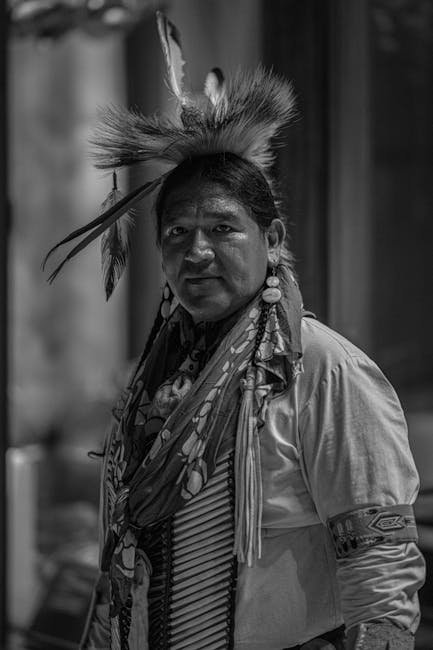
Aboriginal refers to the indigenous peoples of mainland Australia and Tasmania, encompassing a vast array of distinct nations and groups. Their history stretches back over 60,000 years, reflecting profound adaptations to diverse environments.
Cultural Diversity and Regional Variation
There are hundreds of Aboriginal nations, each with distinct languages, customs, and territorial boundaries. This diversity is shaped by Australia’s varied geography, from deserts to rainforests to coastal regions.
Traditional knowledge systems, such as Dreaming stories, explain the origins of landforms, animals, and social laws. These narratives differ significantly across regions, reflecting local experiences and beliefs.
Kinship systems dictate relationships, marriage rules, and social obligations, creating interconnected networks that extend far beyond immediate families. These systems inform decision-making and conflict resolution.
Totemic connections to animals, plants, or features of the landscape guide spiritual responsibilities and resource management. These affiliations are passed down through generations, guiding cultural practice and environmental stewardship.
Connection to Country and Land Management
Country, a term encompassing land, water, and spiritual ties, is central to Aboriginal identity. The relationship to country includes custodianship, resource use, and sacred responsibilities.
Fire-stick farming and other traditional land management practices have shaped Australian ecosystems for millennia. These methods promote biodiversity and sustainable use of resources.
Many sacred sites are protected through customary law and, increasingly, formal legal recognition. Access and use are strictly regulated to maintain spiritual and cultural integrity.
Efforts to regain land rights, such as through Native Title claims, remain a major focus of Aboriginal activism. Successful claims enable groups to manage and protect culturally significant areas.
Art, Symbolism, and Storytelling
Aboriginal art is internationally celebrated, especially dot painting, bark painting, and rock art. These works often encode stories, maps, and ancestral journeys.
Symbols and motifs vary widely between regions, with specific meanings understood within each group. Art serves as a medium for teaching, healing, and ceremony.
Storytelling is performed through song, dance, and visual arts, each reinforcing cultural knowledge and social cohesion. Corroborees, communal ceremonies, bring together groups for shared celebration and learning.
Contemporary Aboriginal artists use traditional techniques alongside modern media to address social issues and assert identity. Their works are exhibited globally, influencing perceptions of Australian culture.
Contemporary Challenges and Representation
Aboriginal Australians continue to seek recognition and justice within the broader nation-state. Political activism has led to milestones such as the 1967 referendum and the ongoing Uluru Statement from the Heart campaign.
Health, education, and economic disparities remain pressing concerns, prompting calls for targeted policy and community-led solutions. Organizations such as the National Aboriginal Community Controlled Health Organisation play leading roles.
Representation in national and state parliaments is growing, though still below population parity. Aboriginal voices are increasingly prominent in public debates on heritage, land, and social policy.
Urbanization has created new forms of identity and cultural practice, blending tradition with the realities of modern Australian life. Festivals and media platforms showcase Aboriginal achievements and perspectives.
Comparison Table
The following table contrasts Maori and Aboriginal peoples across a range of meaningful dimensions, highlighting the unique geopolitical, cultural, and social attributes of each group.
| Parameter of Comparison | Maori | Aboriginal |
|---|---|---|
| Primary Geographic Region | New Zealand (Aotearoa) | Mainland Australia and Tasmania |
| Number of Distinct Groups | Over 100 iwi (tribes) | More than 250 language groups |
| Official |