Understanding the Role of an Esports Commentator
Esports commentary is a dynamic and rapidly growing profession within the gaming industry. Commentators, also known as shoutcasters, provide play-by-play narration and insightful analysis during competitive gaming events.
This role requires a unique blend of gaming knowledge, vocal precision, and audience engagement skills. Esports commentators create an immersive experience that enhances viewer enjoyment and comprehension.
Essential Gear for Professional Shoutcasting
High-quality equipment is critical for delivering clear and uninterrupted commentary. Professional shoutcasters utilize specific gear setups tailored to their voice and streaming environment.
Reliable microphones, headphones, and sound interfaces are the core components of any shoutcasting setup. Each piece of equipment contributes to optimal audio fidelity and comfort during extended casting sessions.
Microphones: The Heart of Clear Commentary
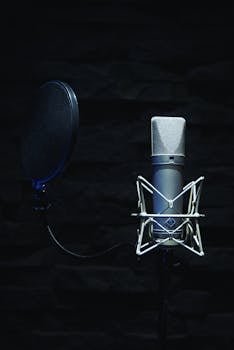
Choosing the right microphone is pivotal for capturing crisp vocal audio. Condenser microphones are favored for studio environments while dynamic microphones offer durability and background noise rejection.
Popular models like the Shure SM7B and Audio-Technica AT2020 are industry standards. These microphones deliver rich tonal quality and reduce unwanted ambient sounds.
Headphones for Accurate Sound Monitoring
Closed-back headphones are essential for isolating in-game sound and commentator audio feed. This isolation allows shoutcasters to monitor their voice and the game environment simultaneously.
Models such as the Sony MDR-7506 and Beyerdynamic DT 770 Pro are widely used due to their comfort and sound accuracy. Proper headphone choice prevents ear fatigue during long events.
Audio Interfaces and Mixers
Audio interfaces convert analog microphone signals into digital data for streaming platforms. A high-quality interface ensures low latency and clear sound transmission.
Mixers allow shoutcasters to balance game audio, voice input, and any added effects live. Devices like the Focusrite Scarlett 2i2 and GoXLR are preferred for their flexibility and professional-grade performance.
Top Vocal Warm-Up Techniques for Shoutcasters
Effective vocal warm-ups safeguard the voice and improve clarity during broadcasts. Shoutcasting demands sustained vocal effort, making preparation a necessity.
Integrating breathing exercises and articulation drills is standard practice among professionals. These techniques enhance voice strength and prevent strain.
Breathing Exercises to Support Projection
Deep diaphragmatic breathing anchors the voice and increases vocal endurance. Practicing slow inhalations and controlled exhalations prepares the lungs for prolonged talking.
Box breathing and humming while breathing are common exercises that also reduce anxiety before events. These methods establish rhythm and vocal stability.
Articulation and Tongue Twisters
Articulation drills sharpen enunciation and prevent mumbled commentary. Tongue twisters like “She sells seashells by the seashore” are effective for training mouth muscles.
Repeating phrases at varying speeds builds precision and confidence. These exercises maintain audience comprehension and engagement.
Hydration and Vocal Health
Hydration is fundamental for vocal cord flexibility and smooth sound production. Drinking water before and during sessions maintains optimal vocal function.
Avoiding caffeine and dairy products minimizes mucus buildup and throat irritation. Vocal rest between casting blocks further protects against fatigue.
Examining the Pay Scales of Shoutcasters
Compensation for shoutcasters varies widely depending on experience, event scale, and platform. This profession offers opportunities ranging from volunteer positions to lucrative contracts.
Understanding pay structures assists aspiring commentators in navigating career progression and financial expectations. Below is an overview of typical income brackets in esports commentary.
| Experience Level | Typical Pay Range (USD) | Common Engagement Types |
|---|---|---|
| Entry-Level | $20 – $75 per hour | Online tournaments, small-scale live events |
| Mid-Level | $75 – $300 per hour | Regional championships, sponsored streams |
| Top-Tier Professionals | $300 – $1000+ per hour | Major international events, exclusive contracts |
Factors Influencing Shoutcaster Earnings
Brand partnerships, audience size, and platform exclusivity significantly impact pay rates. Experienced shoutcasters with established followings command higher fees and additional revenue streams.
Supplemental income often comes from content creation, coaching, and merchandise sales. Networking and consistent performance accelerate earning potential.
Contract Structures and Payment Methods
Contracts may include fixed fees, revenue sharing, or hourly payments. Clarifying terms before engagements ensures transparent and timely compensation.
Payment methods frequently involve PayPal, bank transfers, or platform-specific payout systems. Professionalism in negotiations establishes trust and repeat opportunities.