
Key Takeaways
- Organic farming emphasizes natural processes and biodiversity to maintain soil health and crop productivity.
- Chemical farming relies heavily on synthetic fertilizers and pesticides to enhance crop yields and manage pests.
- Organic methods tend to promote long-term sustainability but often result in lower immediate yields compared to chemical farming.
- Chemical farming can lead to rapid soil degradation and environmental pollution if not managed responsibly.
- Consumer demand for organic products is rising due to concerns over food safety and environmental impact.
What is Organic Farming?
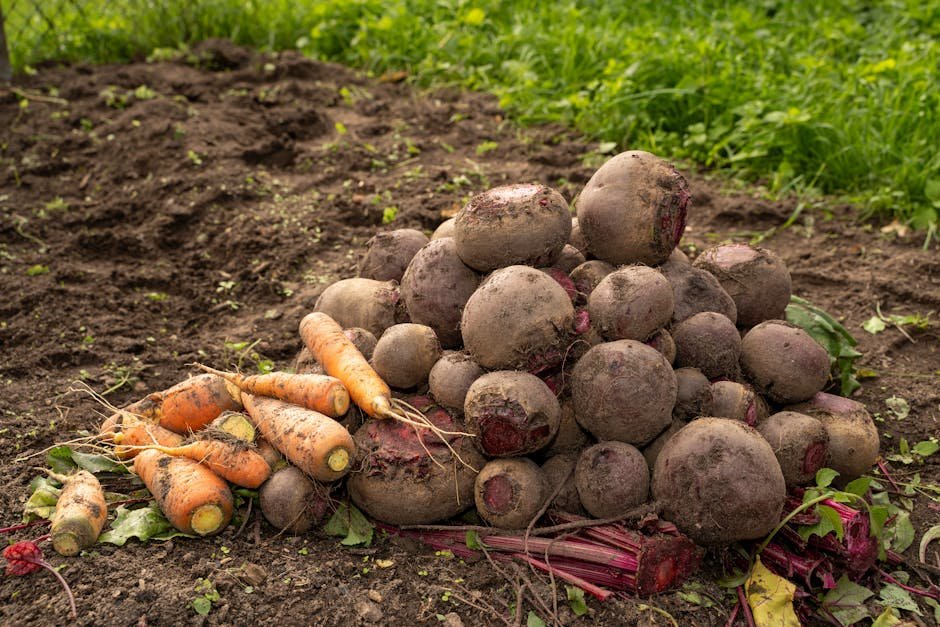
Organic farming is an agricultural practice that avoids the use of synthetic chemicals, focusing instead on natural inputs and processes. It aims to produce food while maintaining ecological balance and enhancing biodiversity.
Natural Soil Fertility Management
Organic farming relies on compost, green manure, and crop rotations to enrich soil nutrients naturally. These methods improve soil structure and microbial activity, which are essential for healthy plant growth.
For example, leguminous plants fix nitrogen in the soil, reducing the need for external fertilizers. This approach supports long-term soil vitality without chemical residues.
Pest and Disease Control through Ecological Balance
Instead of synthetic pesticides, organic farmers use biological control agents and crop diversification to manage pests. Encouraging beneficial insects like ladybugs helps to naturally suppress pest populations.
Intercropping and habitat creation also contribute to pest resistance by disrupting pest life cycles. These strategies reduce chemical dependency and promote ecosystem resilience.
Certification and Regulatory Standards
Organic products must meet specific certification standards that prohibit synthetic inputs and genetically modified organisms. Regulatory bodies inspect farms regularly to ensure compliance.
Certification also involves traceability from farm to market, reassuring consumers about product authenticity. These standards vary by country but share core principles of sustainability and natural production.
Environmental Impact and Biodiversity
Organic farming practices enhance biodiversity by providing habitats for various organisms and preserving soil microbes. This contributes to ecosystem services such as pollination and natural pest control.
By avoiding chemical runoff, organic systems reduce water pollution, protecting nearby natural habitats. This approach helps sustain agricultural landscapes over the long term.
Economic Considerations for Farmers
Organic farming often requires more labor and knowledge-intensive practices, which can increase production costs. However, premium prices for organic products can offset these expenses.
Farmers adopting organic methods may benefit from government subsidies or technical support aimed at promoting sustainable agriculture. Market trends suggest growing profitability in organic sectors globally.
What is Chemical Farming?

Chemical farming is an agricultural system that extensively uses synthetic fertilizers, pesticides, and herbicides to maximize crop yields. It focuses on quick, large-scale production to meet high food demand.
Use of Synthetic Inputs for Crop Nutrition
Chemical farming applies mineral-based fertilizers like nitrogen, phosphorus, and potassium to enhance plant growth rapidly. These inputs provide immediately available nutrients to crops but can disrupt soil chemistry over time.
While this approach boosts short-term productivity, repeated use may reduce soil organic matter. Farmers often depend on continuous synthetic input application to maintain yields.
Pest and Weed Management with Chemicals
Synthetic pesticides and herbicides are central to chemical farming for controlling pests and unwanted vegetation. These substances allow farmers to protect crops effectively but can harm non-target species.
Overreliance on chemicals can lead to pest resistance and environmental contamination. Many regions face challenges related to chemical residues in food and water supplies.
Mechanization and High-Input Farming Systems
Chemical farming is often integrated with advanced machinery to enable large-scale, efficient operations. Tractors, sprayers, and irrigation systems optimize input application and harvesting processes.
This mechanization supports monoculture cropping systems, which simplify management but reduce biodiversity. The capital-intensive nature of chemical farming can limit access for smallholders.
Environmental Consequences and Soil Health
Excessive use of synthetic chemicals can lead to soil acidification, nutrient imbalances, and reduced microbial diversity. Such degradation compromises the land’s long-term productivity potential.
Chemical runoff from farms contributes to water pollution, eutrophication, and harm to aquatic ecosystems. Addressing these issues requires integrated management and regulatory oversight.
Economic and Yield Advantages
Chemical farming typically achieves higher yields per hectare than organic methods, meeting global food demands more efficiently. It also allows for predictable production cycles favored by large agribusinesses.
However, dependence on purchased inputs increases operational costs and exposure to market volatility. The sustainability of such economics is increasingly scrutinized amid environmental concerns.
Comparison Table
The table below highlights key distinctions across various dimensions between organic and chemical farming approaches.
| Parameter of Comparison | Organic Farming | Chemical Farming |
|---|---|---|
| Soil Fertility | Maintains fertility through natural amendments and crop diversity. | Relies on synthetic fertilizers for immediate nutrient supply. |
| Pest Management | Utilizes biological controls and habitat diversity. | Employs synthetic pesticides and herbicides extensively. |
| Crop Diversity | Encourages polyculture and crop rotations. | Often practices monoculture for efficiency. |
| Environmental Impact | Minimizes chemical runoff and supports biodiversity. | Can cause pollution and ecosystem disruption. |
| Yield Output | Typically lower yields per area but sustainable long-term. | Higher yields with potential soil degradation risks. |
| Input Costs | Higher labor and knowledge requirements, lower chemical costs. | High expenditure on synthetic inputs and machinery. |
| Certification | Requires adherence to strict organic standards. | No formal certification needed for chemical use. |
| Market Demand | Growing consumer preference for organic products. | Dominates conventional food supply chains. |
| Long-Term Sustainability | Focuses on ecosystem health and resilience. | Can compromise land productivity over time. |
| Adaptability | Better suited for small-scale, diverse farming systems. | Favors large-scale mechanized agriculture. |
Key Differences
- Approach to Soil Management — Organic farming enhances natural soil ecosystems, whereas chemical farming often depletes soil life.
- Pest Control Philosophy — Organic systems work with ecological balances, while chemical farming depends on synthetic pest eradication.
- Impact on Biodiversity — Organic farming supports diverse habitats; chemical farming tends to reduce species variety.
- Scale and Mechanization — Chemical farming is aligned with industrial-scale production, organic farming commonly suits smaller operations.
- Economic Risk Profile — Organic farming faces market price premiums but higher labor costs, chemical farming involves variable input costs and yield dependencies.
FAQs
Can organic farming match the global food demands?
While organic farming generally produces lower yields, integrating agroecological innovations can boost productivity sustainably. Combining organic practices with improved crop varieties offers potential to contribute significantly to food security.
What role do government policies play in promoting these farming methods?
Many governments provide subsidies, training, and certification support to encourage organic farming adoption. Conversely, chemical farming benefits from infrastructure and input subsidies but faces increasing environmental regulation.